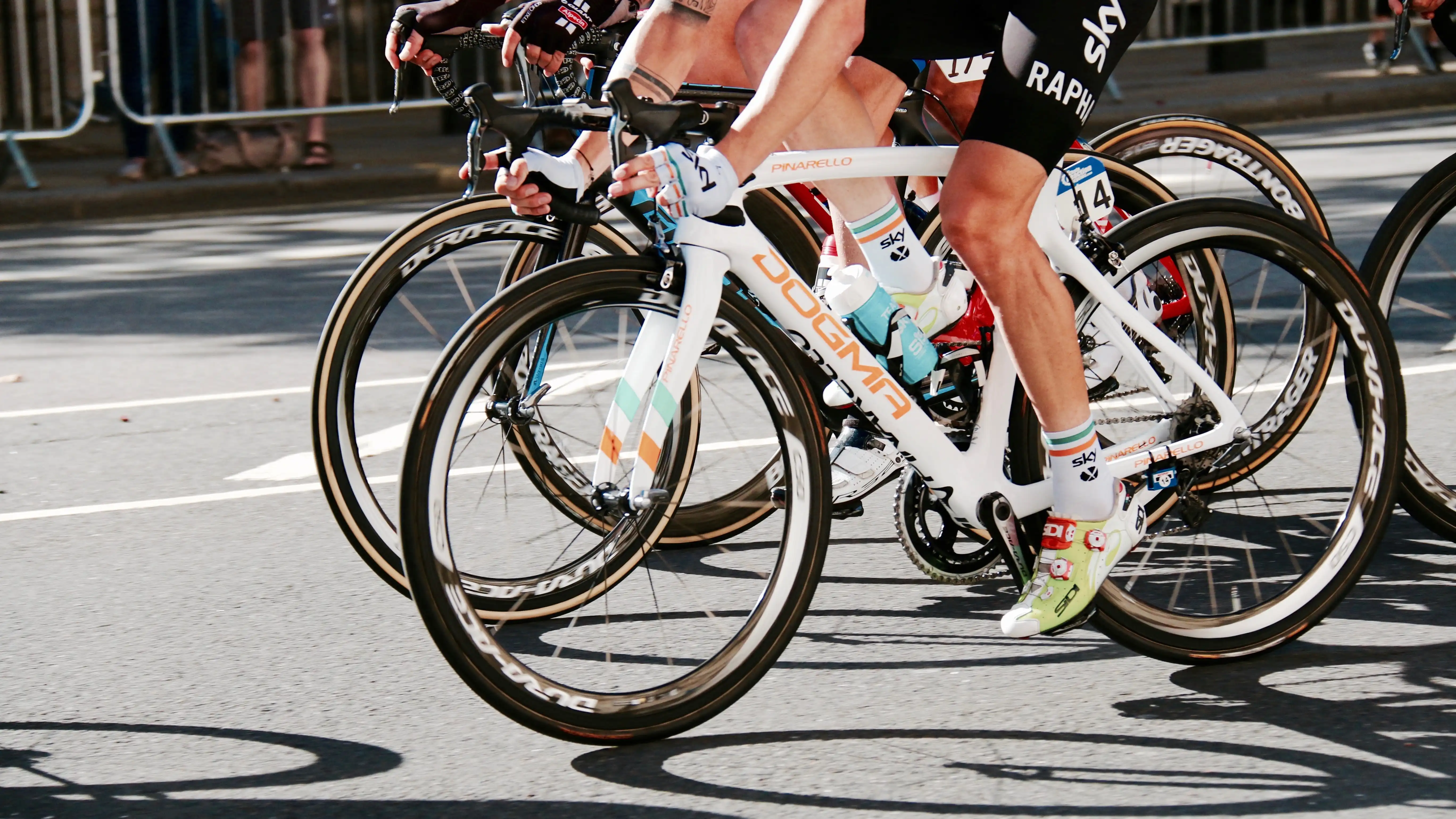
What is changing in a long distance wheel race?

Changes in Skinfold Thicknesses and Body Fat in Ultra-endurance Cyclists It is known that a long endurance burden leads to a decrease in body weight. This is usually attributed to dehydration.However, several work has shown that the decrease in body weight can also be due to a loss of fat mass and muscle mass.The decrease in fat mass in the sense of a reduction of the skin fold thickness seems to be different depending on the type of stress. We have now looked at 119 cyclists at a 600 km long cycle race, which declined skin fold-thicknesses.The largest decline was found in the area of the chest, the belly and the thigh.While the acceptance in the area of the chest is most likely to explain by holding the handlebar, the decrease in the abdomen should be due to the fact that there was the thickest skin fold there.

Read more
The Race Across America from 1982-2012

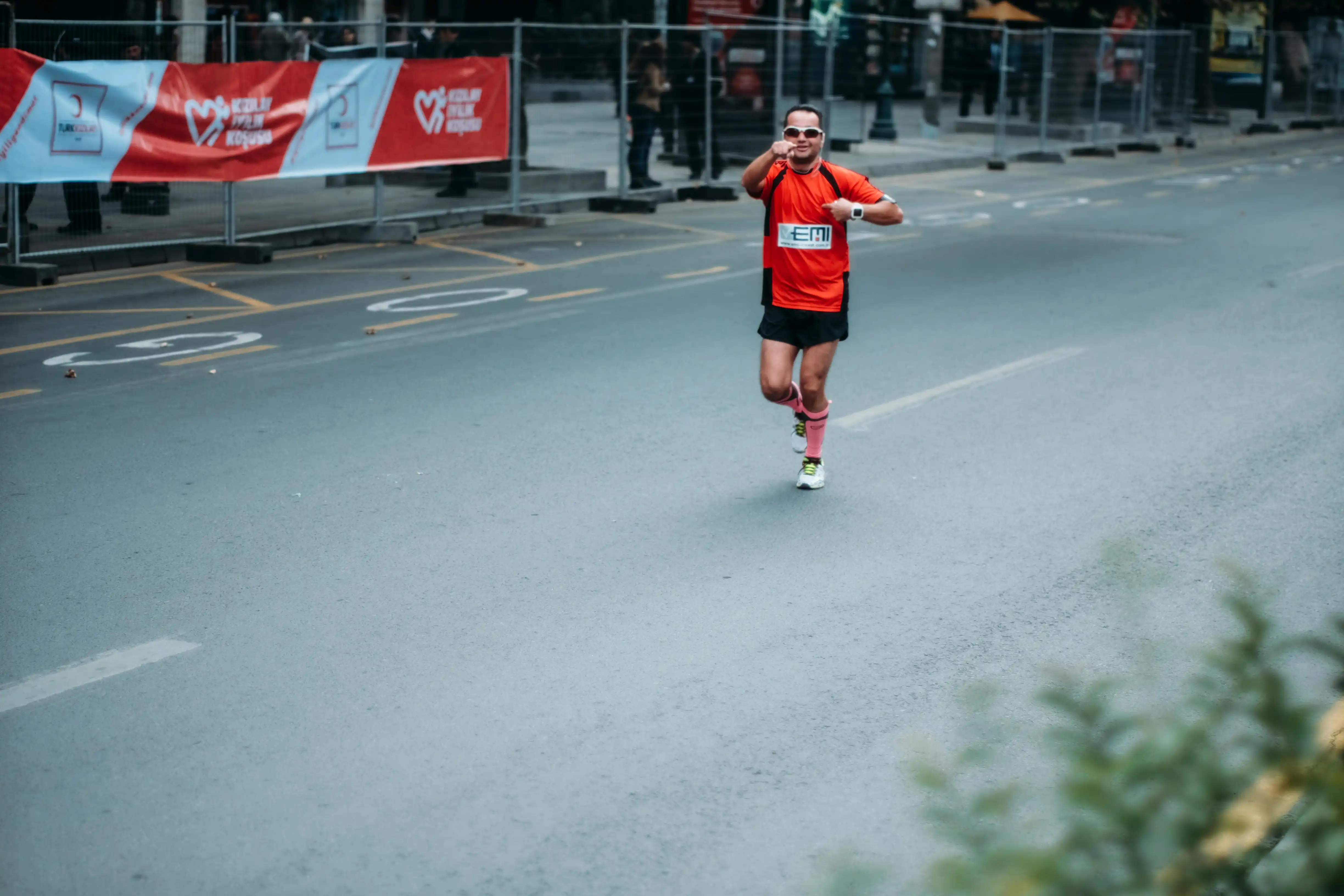
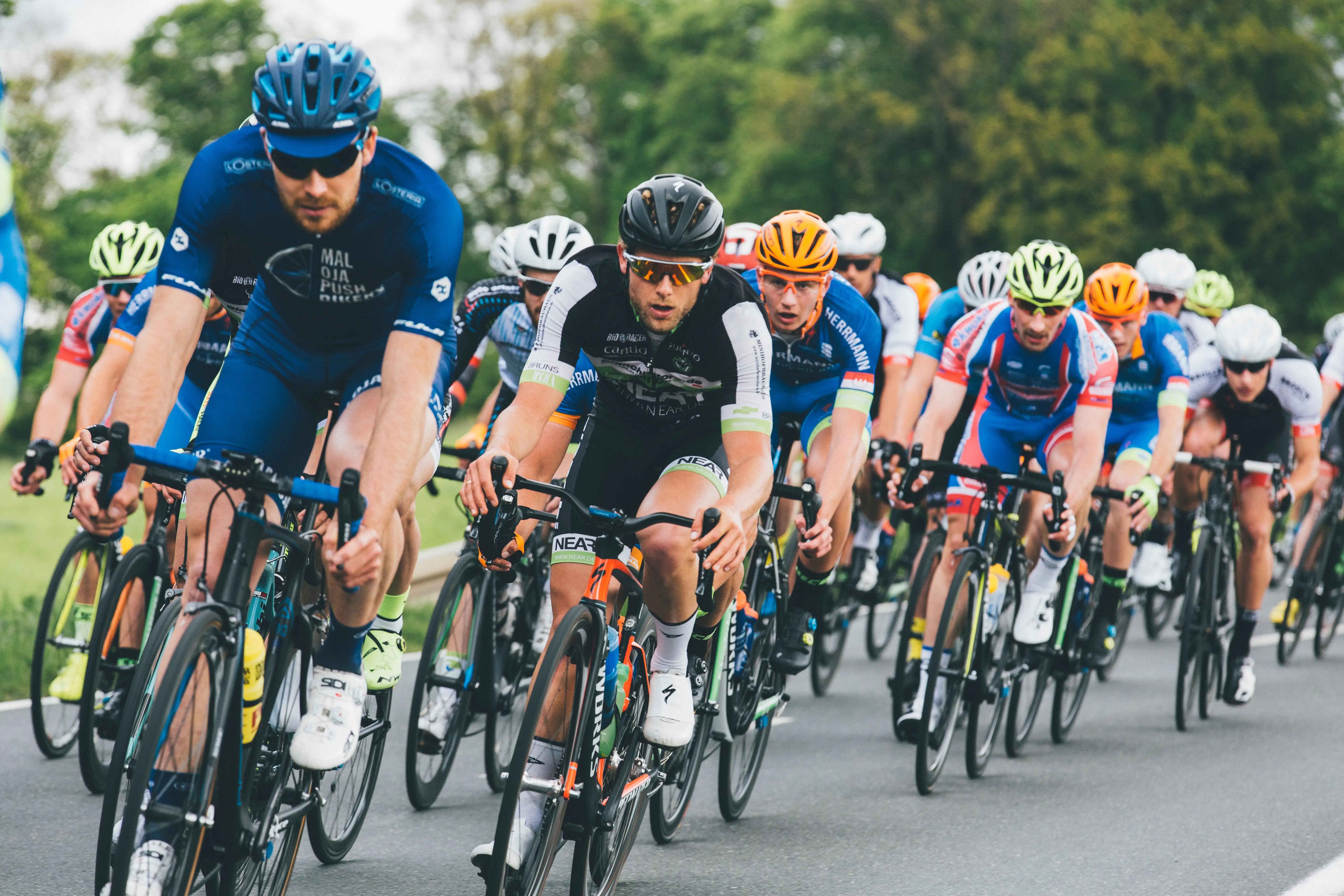
Men Cross America Faster than Women - the ‘Race Across America’ (RAAM) from 1982 to 2012. Again and again it is discussed that women could be better on the very long ultrasides than the men.We have all the results of the ‘Race Across America’, the longest non-stop race of the world examined. From 1982-2012, 404 men and 48 women managed the race.If one compares the highest speed for men from 24.77 km / h with the 21.27 km / h for the fastest woman, this results in a difference of 14.2%.If one compares the speed of the fastest per year over the years, there is a difference of around 20%. And when the three fastest women are compared with the three fastest men per year, the difference rises to almost 25%.

Read more

Participation and performance trends in ultracycling

Participation and performance trends in ultracycling In recent years, participation and performance development in ultra-sector were examined primarily for runners and triathlets, but not for cyclists. On the basis of two qualifiers, the Furnace Creek 508 in the USA and the Swiss Cycling Marathon in Europe for the Race Across America (RAAM) and the Raam itself examined how participation and performance have developed. On average, about 41% did not reach the target in Raam and in Furnace Creek 508, while only 26% could not finish the Swiss Cycling Marathon.In Furnace Creek 508 and RAAM, the proportion of successful women was 11%, in the Swiss Cycling Marathon only 3%.In all races, the men drove faster than the women.In Furnace Creek 508 and in the Swiss Cycling Marathon, around 50% of the finishers were between 35 and 49 years old.

Read more

How good are Kenyans in a mountain marathon?

The aspect of nationality and performance in a mountain ultra-marathon – the ‘Swiss Alpine Marathon’ It is well known that Kenyans dominate the running tracks to the marathon. Until now, it has not been studied if Kenyer also dominated a mountain marathon, especially as the Kenyans train mostly at the height of the Rift Valley.We have examined the performance of the runners at the, Swiss Alpine Marathon ‘from 1998 to 2011 according to national nationality of the runners. The number of women from Denmark, England, Germany, Luxembourg, Switzerland and Sweden increased.Likewise, the number of men from Denmark, England and Sweden increased.Runners from Holland were slower during runners from England faster. The men came to a deterioration in the maturities of participants from Holland, Denmark, Germany and Switzerland.The fastest maturities were achieved in men as among the women by Swiss.

Read more

Age Group Finisher in comparison - Qualifier versus Ironman Hawaii

A comparison of participation and performance in age-group finishers competing in and qualifying for Ironman Hawaii For the ‘Iroman Hawaii’ triathlets must qualify, with the qualification by majority about age groups. We have compared the distribution and performance of the Ironman Triathlen in the qualifiers with the ‘Ironman Hawaii’ for the year 2010.Athletes between 25 and 49 years made a larger part of the qualifiers, while athletes were represented by 18-24 and 50-79 years more on the ‘Ironman Hawaii’. With regard to performance in the individual disciplines as well as the entire competition time, there were significant differences between the qualifiers and the ‘Ironman Hawaii’ in the individual age groups. Under the line, athletes seem between 25-49 years and men on the ‘Ironman Hawaii’ clearly subordinate when compared to the qualifiers.This group of athletes seems to have significantly worse cards to qualify for the ‘Ironman Hawaii’. All results are shown in detail in https://www.dovepress.com/a-comparison-of-participation-and-performance-in-age-group-finishers-c-peer-reviewed-fulltext-article-ijgm

Read more

The Worlds Toughest Endurance Challenges

The World’s Toughest Endurance Challenges The authors Richard Hoad, Paul Moore have put together the most extreme endurance competitions in the world in a book.

According to continents, competitions such as’ Race Across America ‘,’ Badwater ‘,, Spartatthlon’ etc are described. The authors describe well that, common people ‘are capable of extreme services, but they are not, Sunday Morning Excursions’ but extraordinary services in the water, to land, on foot, or by bike. Information about this work can be found under athlete,Rubric, links, recommendable books.

Read more

Who dominates Badwater and Spartatathlon?

The aspect of nationality in participation and performance in ultra-marathon running – A comparison between ‘Badwater’ and ‘Spartathlon’ The two ultramarathons ‘Badwater’ and ‘Sparthlon’ belong to the sizes Challenges in the area of extreme duration. We went the question of which nationalities these races dominate.At the ‘Badwater’ most of the finishers from USA came, followed by runners from Germany and England.In the ‘Spartatlon’ most of the finishers came from Japan, followed by runners from Germany and France.For performance, the fastest times at the ‘Badwater’ were achieved by runners from USA and Canada. For men, the fastest times went to runners from USA, Mexico and Canada.It’s different on ‘Spartatathon’.

Read more

Age and gender Interactions in short distance triathlon performance

Age and gender interactions in short distance triathlon performance We have examined the relationship between gender and age with the competition performance in short distance triathlets on the, Zurich Triathlon ‘from 2000 to 2010. For women, participants in age groups significantly increased 40-54 years.Men in the age group 50-54 years and women of 45-49 years could improve their performance. If one compared the five fastest men and women’s performance for the individual disciplines and the total time, the women were 15.2 ± 4.6% slower in swimming, 13.4 ± 2.3% slower in cycling, 17.1 ± 2.5% in running and 14.8 ± 1.8%Slower throughout the competition time.

Read more

Comparison of marathon runners and ironman triathlets

A Comparison of Anthropometric and Training Characteristics between Recreational Female Marathoners and Recreational Female Ironman Triathletes In an earlier work came out that the personal marathon best time correlated with the Ironman competition time in triathlets. It now asked if marathon runners and Ironman triathletters have similarities in training and physique.The comparison of 53 Ironman triathlets with 46 marathon runners showed that significant differences in physique and training templates.

Only the running speed in training correlated with the marathon time at the runners like the triathlets. All details can be found under https://pubmed.ncbi.nlm.nih.gov/23347010/

Read more