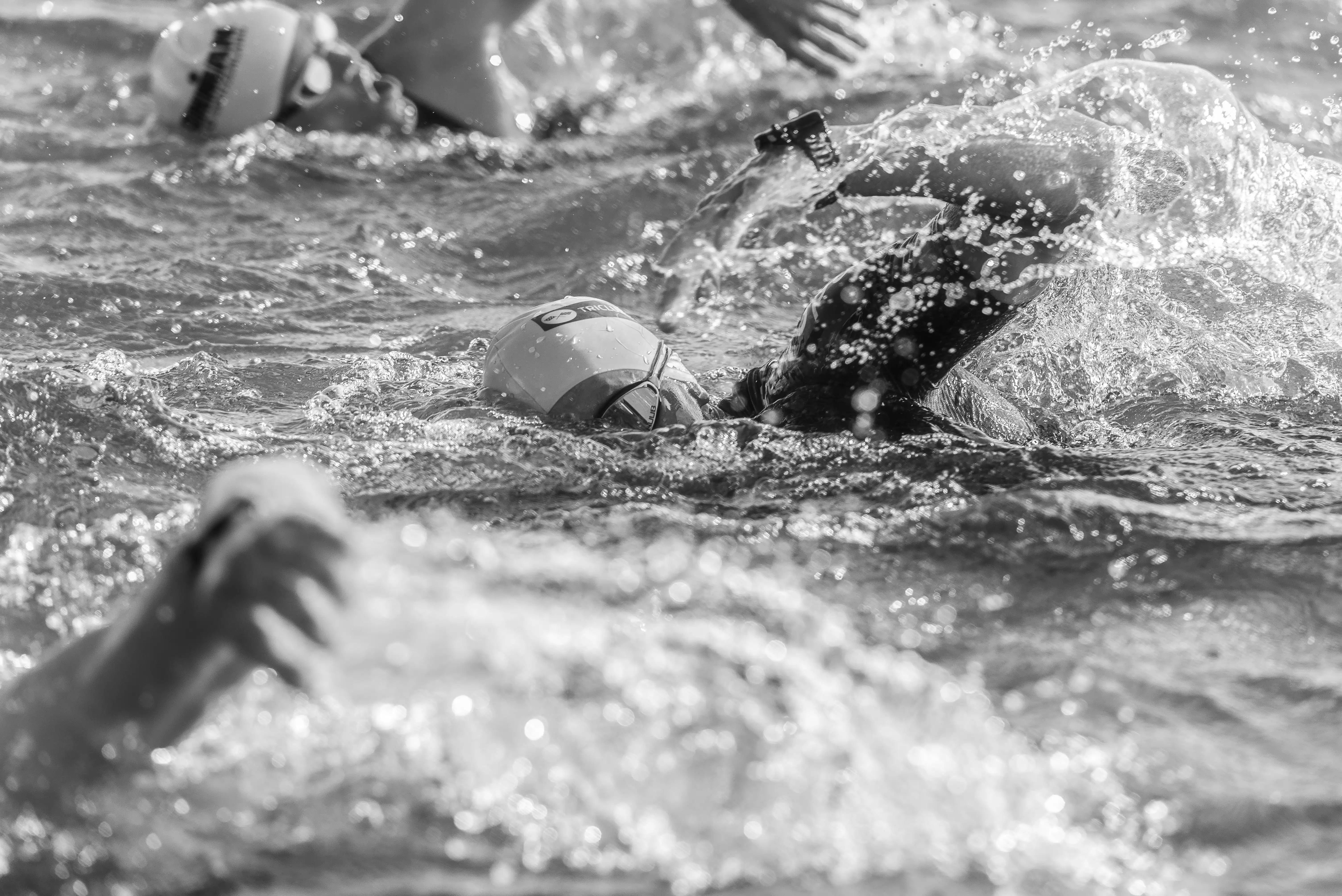
Participation and performance trends are well investigated for the IRONMAN® triathlon. For Xtreme Triathlons (XTri World Tour) races, only one study has examined participation and performance trends for the ‘Norseman Xtreme Triathlon’ in Norway, but not for other XTri World Tour events. Therefore, the aim of the present study was to investigate participation and performance trends in the ‘Swissman Xtreme Triathlon’ as part of the XTri World Tour. Finisher data from all ‘Swissman Xtreme Triathlon’ editions (2019–2025) were analyzed. DNS, DNF, missing information, and implausible finishing times were excluded. Participation patterns were described by sex and nationality. Sex differences in race time were evaluated using Mann–Whitney U tests. Differences among the ten most represented nationalities were tested using Welch’s ANOVA with Dunnett’s T3 post-hoc comparisons. Temporal changes in performance were assessed with quantile regression at the 0.25, 0.50, and 0.75 quantiles (p < 0.05). A total of 1,032 finishers were included, of whom 13.5% were women. Switzerland had the highest participation (n = 431). Performance was similar across most nationalities, with slower times observed only among athletes from the United States compared with Switzerland (p = 0.01), Germany (p = 0.02), and Norway (p = 0.03). No sex-based differences were found in any edition (overall p = 0.4922; r = −0.02). Quantile regression revealed clear temporal changes in performance. At the median (0.50), race time increased by 715 s·year ⁻ ¹ (95% CI: 434–997; p < 0.0001), and a similar rise occurred at the 0.75 quantile (β = 727 s·year ⁻ ¹; 95% CI: 498–955; p < 0.0001). In contrast, the 0.25 quantile showed a smaller and non-significant increase (β = 345 s·year ⁻ ¹; p = 0.0626), indicating that intermediate and slower athletes were primarily responsible for the overall temporal decline. Sex-specific analyses confirmed this pattern: significant increases at the median and 0.75 quantiles for men, and a significant increase only at the median quantile for women. Swiss athletes formed the largest portion of competitors in ‘Swissman Xtreme Triathlon’, while performance was comparable across most nationalities. Women and men performed similarly throughout all editions. Race times increased across years, particularly among intermediate and slower finishers. These findings provide an updated overview of participation and performance trends in this major XTri World Tour event. Future studies need to investigate more races of the XTri World Tour.