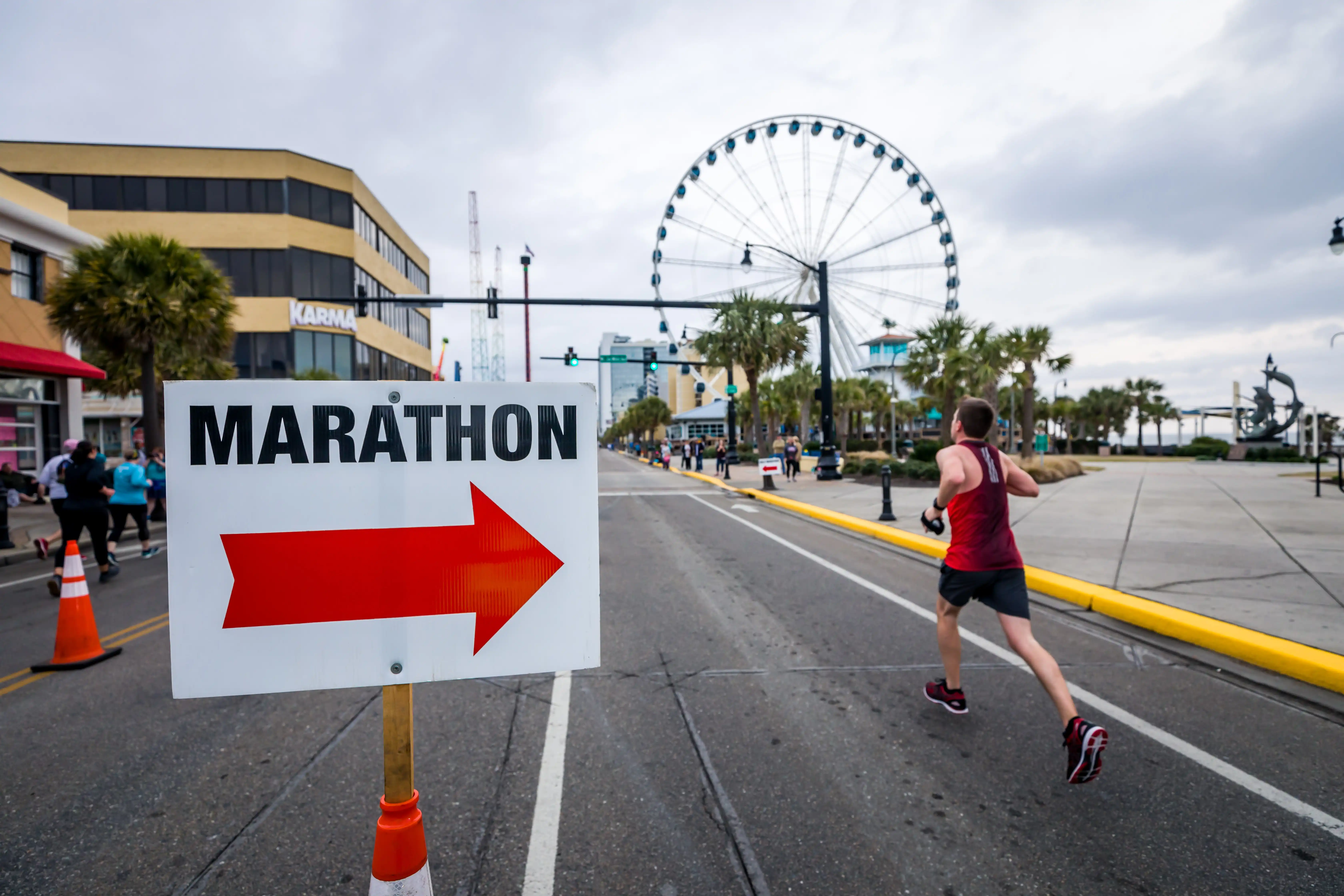
The fastest 24-hour ultramarathoners are from Eastern Europe

Ultramarathon running is of increasing popularity, where the time-limited 24-hour run is one of the most popular events. Although we have a high scientific knowledge about different topics for this specific race format, we do not know where the best 24-hour runners originate from and where the fastest races are held. The purpose of the present study was to investigate the origin of these runners and the fastest race locations. A machine learning model based on the XG Boost algorithm was built to predict running speed based on the athlete´s age, gender, country of origin and the country where the race takes place. Model explainability tools were used to investigate how each independent variable would influence the predicted running speed. A sample of 171,358 race records from 63,514 unique runners from 73 countries participating in 24-hour races held in 57 countries between 1807 and 2022 was analyzed. Most of the athletes originated from the USA, France, Germany, Great Britain, Italy, Japan, Russia, Australia, Austria, and Canada. Tunisian athletes achieved the fastest average running speed, followed by runners from Russia, Latvia, Lithuania, Island, Croatia, Slovenia, and Israel. Regarding the country of the event, the ranking looks quite similar to the participation by the athlete, suggesting a high correlation between the country of origin and the country of the event. The fastest 24-hour races are recorded in Israel, Romania, Korea, the Netherlands, Russia, and Taiwan. On average, men were 0.4 km/h faster than women, and the fastest runners belonged to age groups 35–39, 40–44, and 45–49 years. In summary, the 24-hour race format is spread over the world, and the fastest athletes mainly originate from Eastern Europe, while the fastest races were organized in European and Asian countries.

Read more
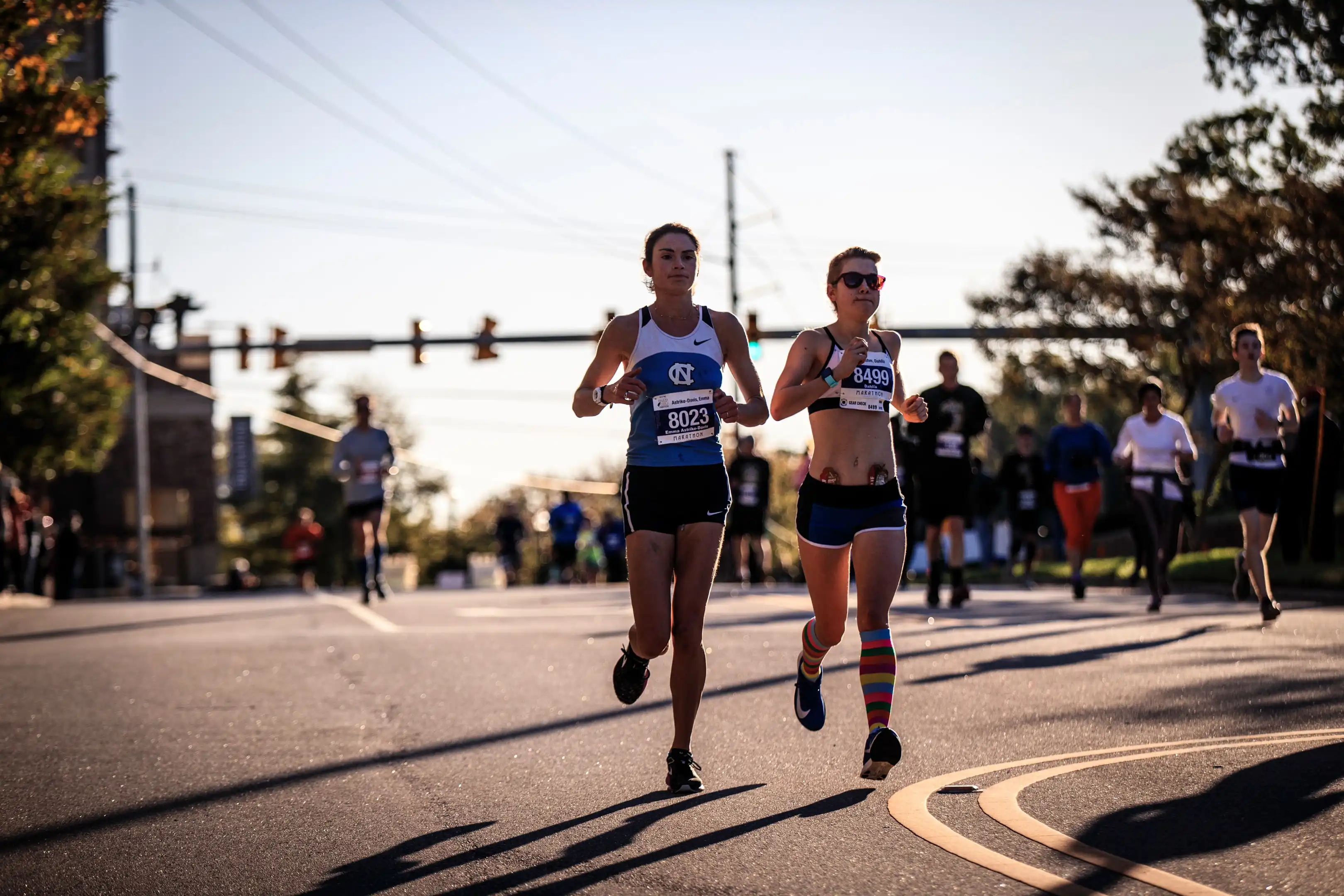
Associations between environmental factors and running performance: An observational study of the Berlin Marathon

Extensive research has delved into the impact of environmental circumstances on the pacing and performance of professional marathon runners. However, the effects of environmental conditions on the pacing strategies employed by marathon participants in general remain relatively unexplored. This study aimed to examine the potential associations between various environmental factors, encompassing temperature, barometric pressure, humidity, precipitation, sunshine, cloud cover, wind speed, and dew point, and the pacing behavior of men and women. The retrospective analysis involved a comprehensive dataset comprising records from a total of 668,509 runners (520,521 men and 147,988 women) who participated in the ’Berlin Marathon’ events between the years 1999 and 2019. Through correlations, Ordinary Least Squares (OLS) regression, and machine learning (ML) methods, we investigated the relationships between adjusted average temperature values, barometric pressure, humidity, precipitation, sunshine, cloud cover, wind speed, and dew point, and their impact on race times and paces. This analysis was conducted across distinct performance groups, segmented by 30-minute intervals, for race durations between 2 hours and 30 minutes to 6 hours. The results revealed a noteworthy negative correlation between rising temperatures and declining humidity throughout the day and the running speed of marathon participants in the ’Berlin Marathon.’ This effect was more pronounced among men than women. The average pace for the full race showed positive correlations with temperature and minutes of sunshine for both men and women. However, it is important to note that the predictive capacity of our model, utilizing weather variables as predictors, was limited, accounting for only 10% of the variance in race pace. The susceptibility to temperature and humidity fluctuations exhibited a discernible increase as the marathon progressed. While weather conditions exerted discernible influences on running speeds and outcomes, they did not emerge as significant predictors of pacing.

Read more

Sex difference in IRONMAN age group triathletes

The sex difference in athletic performance has been thoroughly investigated in single sport disciplines such as swimming, cycling, and running. In contrast, only small samples of long-distance triathlons, such as the IRONMAN® triathlon, have been investigated so far. The aim of the study was to examine potential sex differences in the three split disciplines by age groups in 5-year intervals in a very large data set of IRONMAN® age group triathletes. Data from 687,696 (553,608 men and 134,088 women) IRONMAN® age group triathletes (in 5-year intervals from 18–24 to 75+ years) finishing successfully between 2002 and 2022 an official IRONMAN® race worldwide were analyzed. The differences in performance between women and men were determined for each split discipline and for the overall race distance. Most finishers were in the age group 40–44 years. The fastest women were in the age group 25–29 years, and the fastest men were in the age group 30–34 years. For all split disciplines and overall race time, men were always faster than women in all groups. The performance difference between the sexes was more pronounced in cycling compared to swimming and running. From the age group 35–39 years until 60–64 years, the sex differences were nearly identical in swimming and running. For both women and men, the smallest sex difference was least significant in age group 18–24 years for all split disciplines and increased in a U-shaped manner until age group 70–74 years. For age groups 75 years and older, the sex difference decreased in swimming and cycling but increased in running. Considering the different characteristics of the race courses, the smallest performance gaps between men and women were found in river swimming, flat surface cycling and rolling running courses. The sex difference in the IRONMAN® triathlon was least significant in age group 18–24 years for all split disciplines and increased in a U-shaped manner until age group 70–74 years. For 75 years and older, the sex difference decreased in swimming and cycling but increased in running.

Read more

Road and trail running from 5 km to an ultra-marathon – trends in Switzerland from 1999 to 2019

This study aimed to verify participation and performance in all road and trail-based races in Switzerland over two decades (1999–2019). This is a secondary data-based study. We used 1,149,182 race records (788,818 from men and 360,364 from women) from 407,944 unique finishers of the 5 km, 10 km, half-marathon, marathon, and ultra-marathon races in Switzerland, between 1999 and 2019. Data included the athletes’ genders, ages, race distances, and types of races (road or trail). the men to-women ratio was calculated and box plots were used to present differences according to gender, age groups, and race distances in both terrains. Differences between the groups were calculated. The men-to-women ratio has generally decreased in all race distances over the years. runners competing in road based races were faster than those in a trail run in all distances. Men had faster finish times than women independent of age, except those competing in 10 km trail races. In road-based races, the men-to-women ratio was higher among older marathoners, while for trail runs, a higher men-to-women ratio was shown for older half-marathoners and participants in 10 km races. For 5 km, 10 km, half-marathon, and ultra-marathon races, a decrease in running speed differences was shown until the age of 50 years. In Switzerland, most of the runners competed in road-based races, but the interest in trail running has increased. the men-to-women ratio declined over time, which could show an increase in the interest of women to participate in endurance activities.

Read more

Europe has the fastest Ironman race courses and the fastest Ironman age group triathletes

The majority of participants in Ironman triathlon races are age group athletes. We have extensive knowledge about recreational athletes’ training and competition participation. Nonetheless, Ironman age group triathletes must achieve fast race times to qualify for the Ironman World Championship in Hawaii. They can, therefore, benefit from knowing where the fastest Ironman racecourses in the world are. The aim of the present study was to investigate where the fastest Ironman racecourses for age group triathletes are located in the world. Data from 677,702 Ironman age group finishers’ records (544,963 from men and 132,739 from women) originating from 228 countries and participating in 444 events across 66 different Ironman race locations between 2002 and 2022 were analyzed. Data was analyzed through traditional descriptive statistics and with machine learning regression models. Four algorithms were tested (Random Forest Regressor, XG Boost Regressor, Cat Boot Regressor, and Decision Tree Regressor). The models used gender, age group, country of origin, environmental factors (average air and water temperatures), and the event location as independent variables to predict the final overall race time. Despite the majority of successful Ironman age group triathletes originating from the USA (274,553), followed by athletes from the United Kingdom (55,410) and Canada (38,264), these countries exhibited average overall race times that were significantly slower compared to the fastest countries. Most of the triathletes competed in Ironman Wisconsin (38,545), followed by Ironman Florida (38,157) and Ironman Lake Placid (34,341). The fastest overall race times were achieved in Ironman Copenhagen (11.68 ± 1.38 h), followed by Ironman Hawaii (11.72 ± 1.86 h), Ironman Barcelona (11.78 ± 1.43 h), Ironman Florianópolis (11.80 ± 1.52 h), Ironman Frankfurt (12.03 ± 1.38 h) and Ironman Kalmar (12.08 ± 1.47 h). The fastest athletes originated from Belgium (11.48 ± 1.47 h), followed by athletes from Denmark (11.59 ± 1.40 h), Switzerland (11.62 ± 1.49 h), Austria (11.68 ± 1.50), Finland (11.68 ± 1.40 h) and Germany (11.74 ± 15.1 h). Flat running and cycling courses were associated with faster overall race times. Three of the predictive models identified the ‘country’ and ‘age group’ variables as the most important predictors. Environmental characteristics showed the lowest influence regarding the other variables. The origin of the athlete was the most predictive variable whereas environmental characteristics showed the lowest influence. Flat cycling and flat running courses were associated with faster overall race times. The fastest overall race times were achieved mainly in European races such as Ironman Copenhagen, Ironman Hawaii, Ironman Barcelona, Ironman Florianópolis, Ironman Frankfurt and Ironman Kalmar. The fastest triathletes originated from European countries such as Belgium, Denmark, Switzerland, Austria, Finland, and Germany.

Read more

Analysis of the 72‑h ultramarathon using a predictive XG Boost model

Ultramarathon running enjoys unwavering popularity. This includes the 72-h run, the longest time-limited ultramarathon based on hours and not days, yet this specific race format remains understudied. In particular, we are still determining where the fastest 72-h ultra-marathoners originate or where the fastest races are held. The aim of the present study was to investigate the origins of the best performers and the locations of the fastest races. A machine learning model based on the XG Boost algorithm was built to predict running speed based on the athlete´s gender, age group, country of origin, the country where the race was held, the kind of race course (road, trail, track), and the elevation (flat, hilly). Model explainability tools were then used to investigate how each independent variable would influence the predicted running speed. A total of 2,857 race records from 1,870 unique runners from 36 different countries participating in 55 races held in 22 countries between 1989 and 2022 were analyzed. Athletes from the USA account for more than 2/3 of the sample size. Also, more than 3/4 of the participants competed in USA-based races. Athletes from Ireland, Japan, and Ukraine were the fastest. In respect of the fastest races, they were held in Ukraine, The Netherlands, and Japan. The model rated the country of event as the most important predictor followed by the race characteristics of elevation and race course, athlete country of origin, age group, and gender. On average, men were 0.33 km/h faster than women. The fastest running speeds were achieved by runners in age group 45–49 years. The country of the event was found to be the most important predictor in the 72-h run. Despite the dominance of runners from USA and the predominance of courses in the USA in terms of participation, athletes from Ireland, Japan, and Ukraine achieved the fastest times, while Ukraine, The Netherlands, and Japan were found to host the fastest courses.

Read more

Physiology and Pathophysiology of Marathon Running: A narrative Review

Marathon training and running have many beneficial effects on human health and physical fitness; however, they also pose risks. To date, no comprehensive review regarding both the benefits and risks of marathon running on different organ systems has been published. The aim of this review was to provide a comprehensive review of the benefits and risks of marathon training and racing on different organ systems. A predefined search strategy including keywords (e.g., marathon, cardiovascular system, etc.) and free text search was used. Articles covering running regardless of sex, age, performance level, and event type (e.g., road races, mountain marathons) were considered, whereas articles examining only cycling, triathlon, stress-tests or other sports were excluded. In total, we found 1021 articles in PubMed, Scopus, and Google Scholar, of which 329 studies were included in this review. Overall, marathon training offers several benefits for different organ systems and reduces all-cause mortality. As such, it improves cardiovascular risk factors, leads to favorable cardiac adaptations, enhances lung function, and improves quality of life in chronic kidney disease patients. It also enhances gastrointestinal mobility and reduces the risk of specific tumors such as colorectal cancer and hepatocellular carcinoma. Marathon training enhances bone health and skeletal muscle metabolism. It further positively affects hematopoiesis and cytotoxic abilities of natural killer cells, and may act neuroprotective on a long-term basis. After a marathon, changes in biomarkers suggesting pathological events in certain organ systems such as cardiovascular, renal, gastrointestinal, liver, hematological, immune, musculoskeletal, central nervous, and endocrine systems can often be observed. Mostly, these changes are limited to 1–3 days post-race and usually normalize within a week. Moreover, marathon running poses the risk of serious adverse events such as sudden cardiac death or acute liver failure. Concerning lung function, a decrease after a marathon race was observed. Acute kidney injury, as well as electrolyte imbalances, are relatively common amongst marathon finishers. Many runners complain of gastrointestinal symptoms during or after long-distance running. Many runners suffer from running-related musculoskeletal injuries often impairing performance. A marathon is often accompanied by an acute inflammatory response with transient immunosuppression, making runners susceptible to infections. Also, hormonal alterations such as increased cortisol levels or decreased testosterone levels immediately after a race are observed. Disturbances in sleep patterns are commonly found in marathon runners leading up to or directly after the race. All in all, marathon training is generally safe for human health and individual organ systems. Considering the high popularity of marathon running, these findings supply athletes, coaches, sports scientists, and sports medicine practitioners with practical applications. Further large-scale studies examining long-term effects on the cardiovascular, renal, and other system are needed.

Read more

The association of origin and environmental conditions with performance in professional IRONMAN triathletes

We have little knowledge about where the fastest professional IRONMAN triathletes originate from and where the fastest races take place and we have no knowledge of the optimal weather conditions for an IRONMAN triathlon. The aims of the present study were, therefore, to investigate the origin and the fastest IRONMAN race courses for professional triathletes and to evaluate the best environmental conditions (i.e. water and air temperatures and type of race course) for the fastest IRONMAN race times in professional IRONMAN triathletes. Data of all professional female and male IRONMAN triathletes competing between 2002 and 2022 in all IRONMAN races held worldwide were collected. A total of 6,943 finishers´ records (4,162 from men and 2,781 from women) from 58 different countries participating in 54 different event locations between 2002 and 2022 were considered. Data was analyzed using descriptive statistics and machine learning (ML) regression models. The models considered gender, country of origin, event location, water, and air temperature as independent variables to predict the final race time. Three different ML models were built and evaluated, based on three algorithms, in order of growing complexity and predictive power: Decision Tree Regressor, Random Forest Regressor, and XG Boost Regressor. Most of the athletes originated from the USA (1786), followed by athletes from Germany (674), Canada (426), Australia (396), United Kingdom (342), France (325), and Switzerland (276). Most of the athletes competed in IRONMAN Hawaii (925), IRONMAN Florida (563), IRONMAN Austria (452), IRONMAN France (354), IRONMAN Wisconsin (330), IRONMAN Lanzarote (322) and IRONMAN Texas (313). The Decision Tree and the XG Boost models were the best performing models (r2 = 0.48) and rated the relative feature importances in the order gender, country of origin, water temperature, air temperature and event location. Men were on average ~ 0.8 h faster than women. Switzerland had the fastest and Japan and Slovakia the slowest athletes. IRONMAN Brazil Florianopolis, IRONMAN Barcelona, and IRONMAN Louisville hold the fastest races. Optimal water temperature was over 22 °C and optimal air temperature between 19 and 26 °C. Between 2002 and 2022, most professional IRONMAN triathletes originated from the USA, and most professional IRONMAN triathletes competed in IRONMAN Hawaii. The fastest athletes originated from Switzerland, the fastest race courses were IRONMAN Brazil Florianopolis, IRONMAN Barcelona, and IRONMAN Louisville. The fastest race times were achieved in water temperature warmer than 22 °C and air temperature between 19 and 26 °C.

Read more