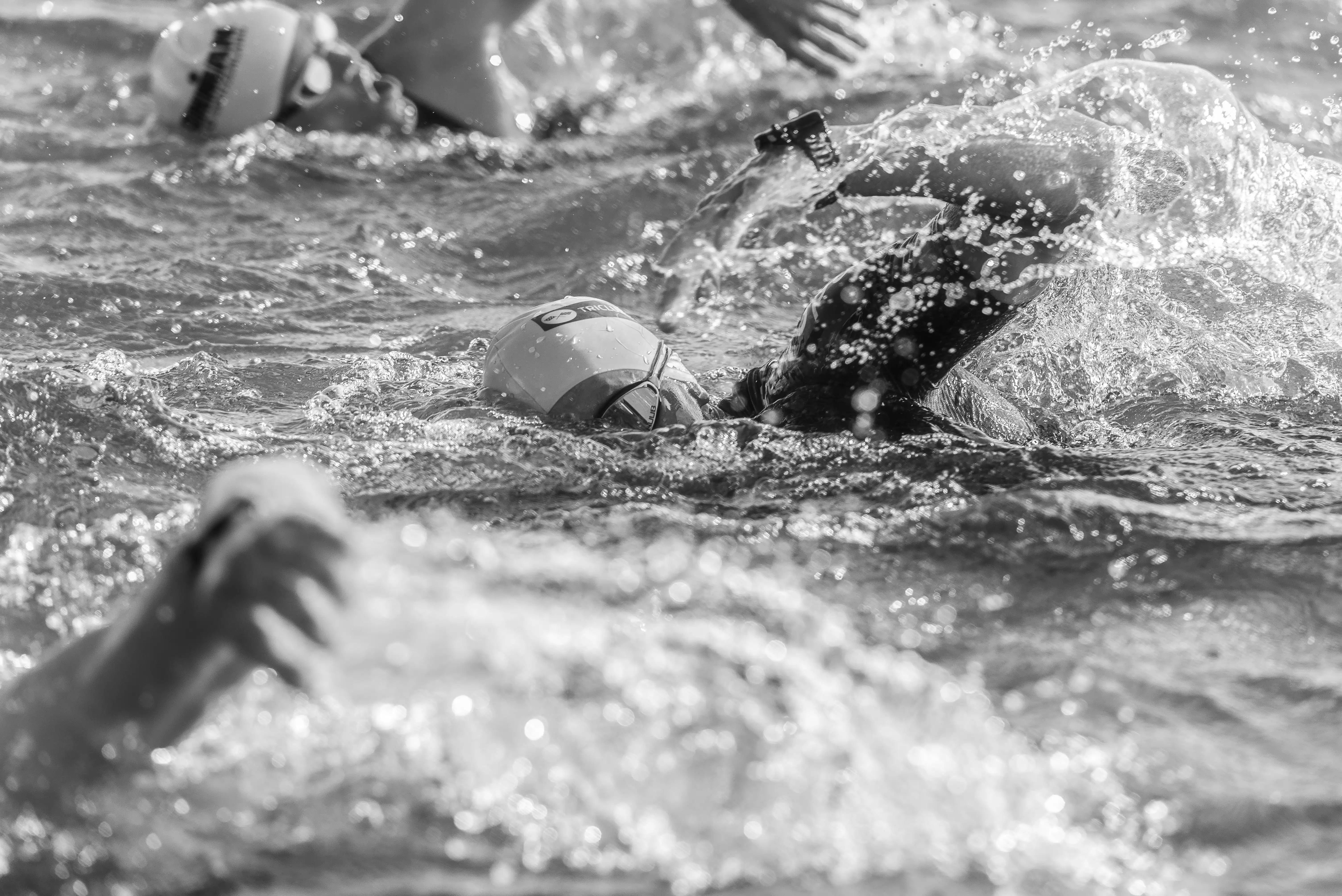
Case study of 100 consecutive IRONMAN®-distance triathlons—impact of race splits and sleep on the performance of an elite athlete

Long-distance triathletes such as IRONMAN® and ultra-triathletes competing in longer race distances continue to extend ultra-endurance limits. While the performance of 60 IRONMAN®-distance triathlons in 60 days was the longest described to date, we analysed in the present case study the impact of split disciplines and recovery in one athlete completing 100 IRONMAN®-distance triathlons in 100 days. To date, this is the longest self-paced world record attempt for most daily IRONMAN®-distance triathlons. To assess the influence of each activity’s duration on the total time, the cross-correlation function was calculated for swimming, cycling, running, and sleeping times. The autocorrelation function, which measures the correlation of a time series with itself at different lags, was also employed using NumPy. The moving average for swimming slightly increased in the middle of the period, stabilizing at ∼1.43 h. Cycling displayed notable fluctuations between ∼5.5 and 7h, with a downward trend toward the end. The moving average for running remains high, between 5.8 and 7.2 h, showing consistency over the 100 days. The moving average for total time hovered at ∼15 h, with peaks at the beginning, and slightly declined in the final days. The cross-correlation between swimming time and total time showed relatively low values. Cycling demonstrated a stronger correlation with total time. Running also exhibited a high correlation with total time. The cross-correlation between sleep time and swimming time presented low values. In cycling, the correlation was stronger. For running, a moderate correlation was observed. The correlation with total time was also high. The autocorrelation for swimming showed high values at short lags with a gradual decrease over time. For cycling, the autocorrelation also began strong, decreasing moderately as lags increased. Running displayed high autocorrelation at short lags, indicating a daily dependency in performance, with a gradual decay over time. The total time autocorrelation was high and remained relatively elevated with increasing lags, showing consistent dependency on cumulative efforts across all activities. In a triathlete completing 100 IRONMAN®-distance triathlons in 100 days, cycling and running split times have a higher influence on overall times than swimming. Swimming performance is not influenced by sleep quality, whereas cycling performance is. Swimming times slowed faster over days than cycling and running times. Any athlete intending to break this record should focus on cycling and running training in the pre-event preparation.

Read more
Deca Marathon Colmar

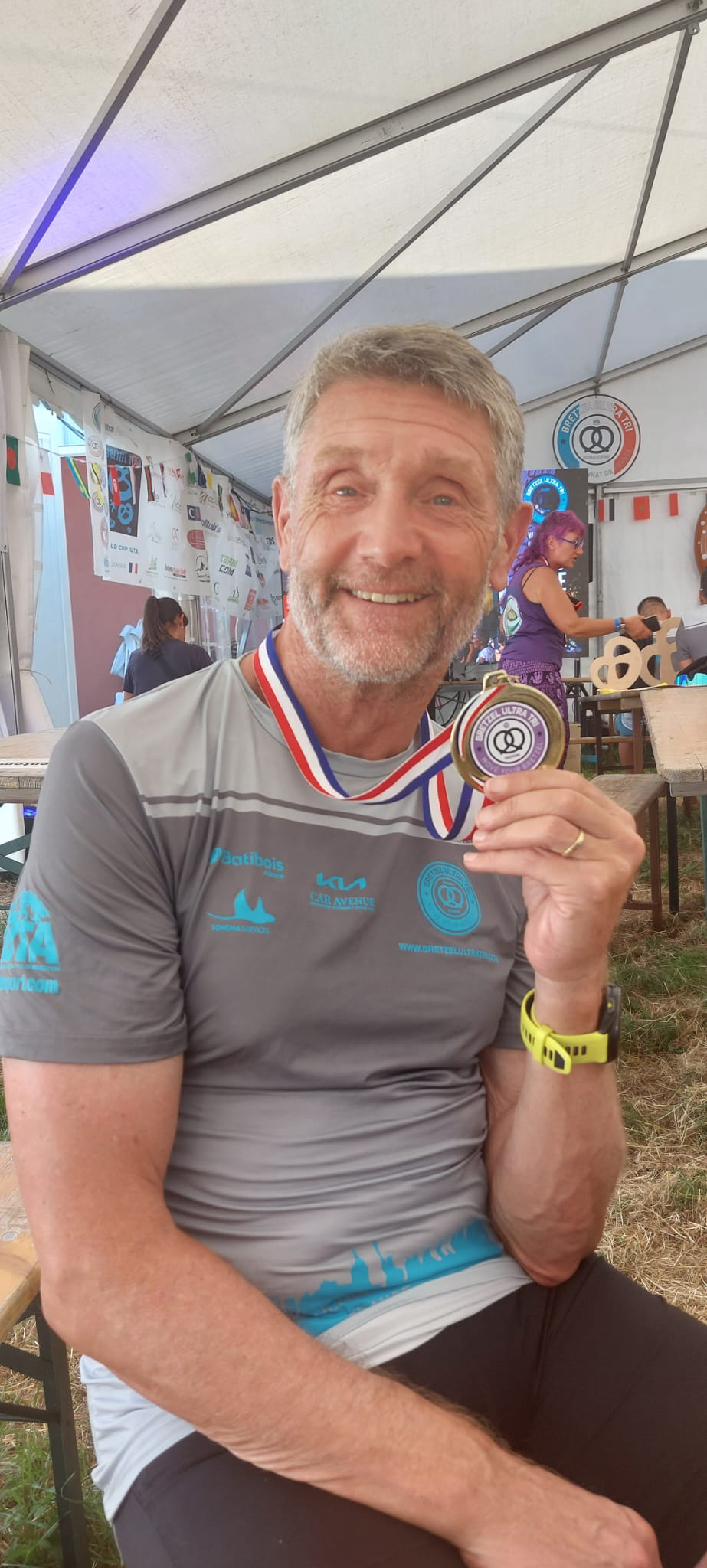
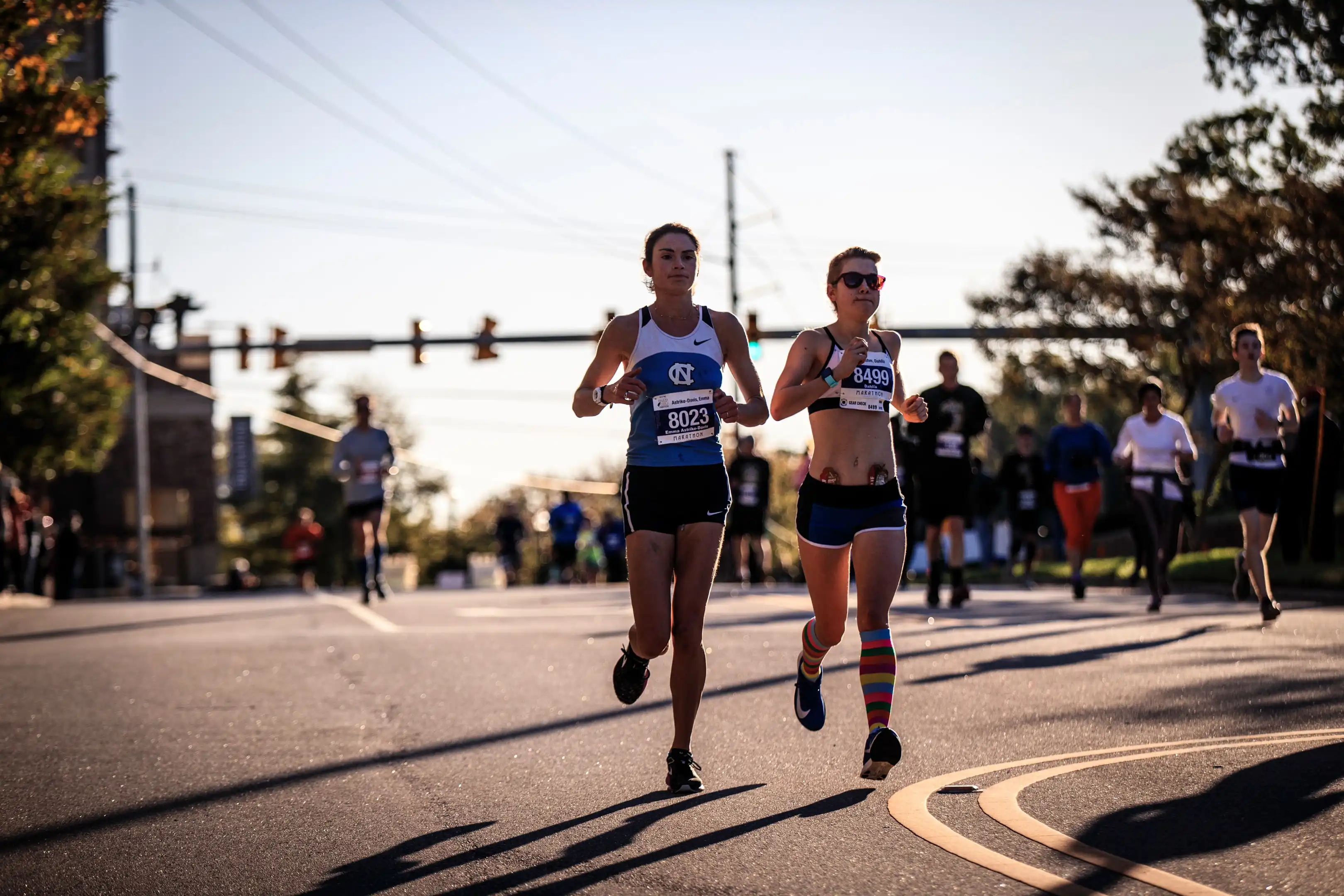
The Deca Marathon took place in Colmar from June 26 to July 5, 2025. The aim was to run 10 marathons in 10 days.

The 4th place overall was the best ranking so far in a 10 in 10.

Beat Knechtle was only around 40 minutes off the podium.

Read more

Sex-based performance analysis in Olympic triathlon: swimming, cycling, and running at Paris 2024

This study aimed to analyze sex differences in performance across the disciplines of the Olympic triathlon at the 2024 Paris Olympic Games. Performance times in swimming, cycling, running and transitions (T1 and T2) were compared between male (n = 50) and female (n = 51) athletes. Data were extracted from the official Olympic website and analyzed using the Mann–Whitney U test with effect size (Cohen’s d). Quantile regression was applied to examine the relationship between total race time and performance in each discipline of the Olympic triathlon. Male athletes outperformed females across all segments, including swimming, cycling, running, and transitions (p < 0.001). Cycling accounted for the largest proportion of total race time in both sexes (49.4% for females, 48.2% for males), while the contribution of running was slightly higher in males (29.8%) than in females (29.5%). Quantile regression revealed that cycling was the most influential predictor of total time among males, whereas running had greater impact among females, particularly in slower athletes (q = 0.75). Swimming was a consistent but less prominent predictor in both sexes, especially among faster athletes (q = 0.25). Transitions had limited influence in males but showed significant associations with performance among females at specific quantiles, notably in T2. These findings underscore the need for sex-specific training strategies, emphasizing running development in female triathletes and cycling optimization in males, while also considering the role of transitions, especially in draft-legal events.

Read more

Women in the triathlon—the differences between female and male triathletes: a narrative review

Triathlon events have gained popularity in recent years. With the increasing participation of women, aspects that influence performance and physiology, as well as differences between women and men, are of interest to athletes and coaches. A review of the existing literature concerning differences between women and men in triathlon is lacking. Therefore, this narrative review aimed to compare female and male triathletes in terms of participation, performance, and the different influences on performance (e.g., physiology, age, pacing, motivation). A literature search was conducted in PubMed and Scopus using the search terms “female triathletes”, “women in triathlon”, “triathlon AND gender difference”, and “triathlon AND sex difference”. 662 articles were found using this search strategy, of which 147 were relevant for this review. All distances from sprint to ultra-triathlon (e.g., x-times IRONMAN® distance) were analyzed. The results showed that the participation of female triathletes, especially female master triathletes increased over time. An improvement in the performance of female and older triathletes was observed at the different distances in the last decades. Sex differences in performance varied across distances and in the three disciplines. Female triathletes showed a significantly lower VO2max and higher lactate thresholds compared to men. They also had a higher body fat percentage and lower body mass. The age for peak performance in the IRONMAN® triathlons is achieved between 25 and 39 years for both women and men. Strong predictors of IRONMAN® race performance in both female and male triathletes include achieving a personal best time in a marathon and a previous best time in triathlon races. Further studies need to balance the representation of female and male athletes in study cohorts to ensure that findings are relevant to both sexes. Another research gap that should be addressed by future studies is the effect of menstruation and female hormones, the presence of premenstrual syndrome, and the impact of pregnancy and childbirth on the triathlon performance to better understand the differences with men and to account for hormonal fluctuations in training.

Read more

Marathons

After Beat Knechtle broke Frenchman Guy Rossi’s record for the most long-distance triathlons worldwide, the next record chase awaits. Now it’s all about the most marathons ever run by a Swiss.

Christian Marti’s record of 600 marathons is the next target.

Read more

Congratulations on being named a 2024 Highly Ranked Scholar by ScholarGPS

ScholarGPS® is the world’s most comprehensive scholarly analytics platform, built by scholars but accessible to all. ScholarGPS® is comprised of powerful computational systems and processes such as novel data mining, artificial intelligence, machine learning, statistical analysis, as well as data distillation, interpretation, and presentation. ScholarGPS provides detailed profiles for each of over 30 million scholars and 120,000 research institutions, including over 24,000 academic institutions in more than 200 countries.

Beat Knechtle is among the highly ranked scholars with position 384 for Life Sciences, position 10 for Physiology and position 8 for Running Beat Knechtle | Scholar Profiles and Rankings | ScholarGPS

Read more