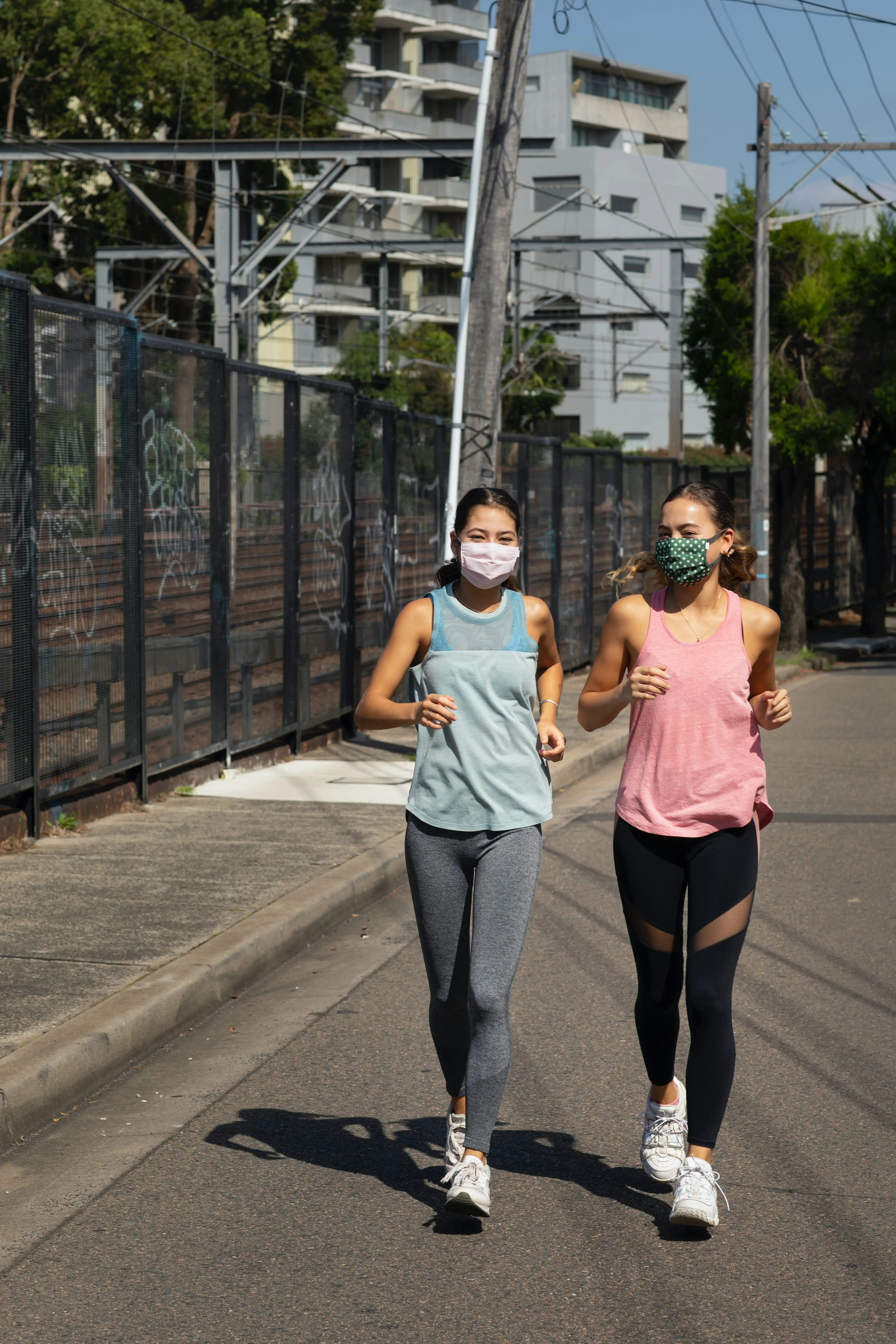
The influence of Covid 19 pandemic on endurance competitions

The Impact of the COVID-19 Pandemic on Endurance and Ultra-Endurance Running The Covid-19 outbreak has become a major health and economic crisis.The World Health Organization explained in March 2020 to the pandemic, and many sporting events were canceled. We investigated the effects of Covid 19 pandemic on endurance and extreme duration runs and analyzed the results and events during the Covid 19 pandemic (observation period March 2020 - October 2020) for the same period before Covid-19 outbreak (March 2019 -October 2019). The number of finishers decreased during the pandemic (459'029 to 42'656; male: 277'493 to 25'582; female 181'536 to 17'074).Similarly, the number of events decreased (213 vs. 61 events). The average marathon end times decreased during the pandemic in men (5: 18: 03 ± 0: 16: 34 vs. 4: 43: 08 ± 0: 25: 08 H: Min: S and women (5:39:32± 0: 19: 29 Vs. 5: 14: 29 ± 0: 26: 36 H: Min: S). In extreme duration run, the figures of finishers (580'289 to 110'055) and events (5839 to 1791) decreased significantly.Popular venues in the US, France, Great Britain and Germany decreased significantly. All distance and temporary ultramarathons decreased significantly.

Read more
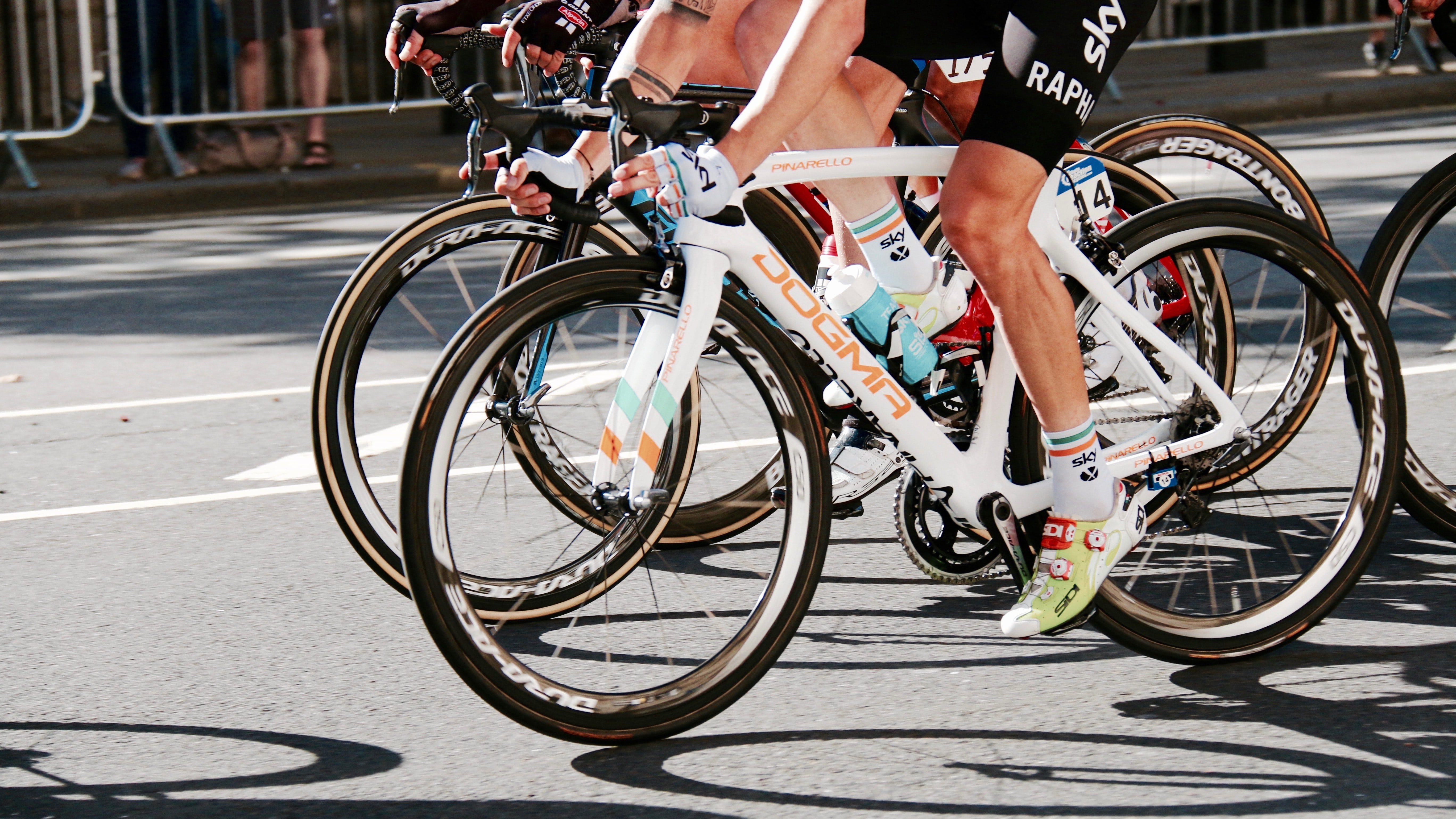
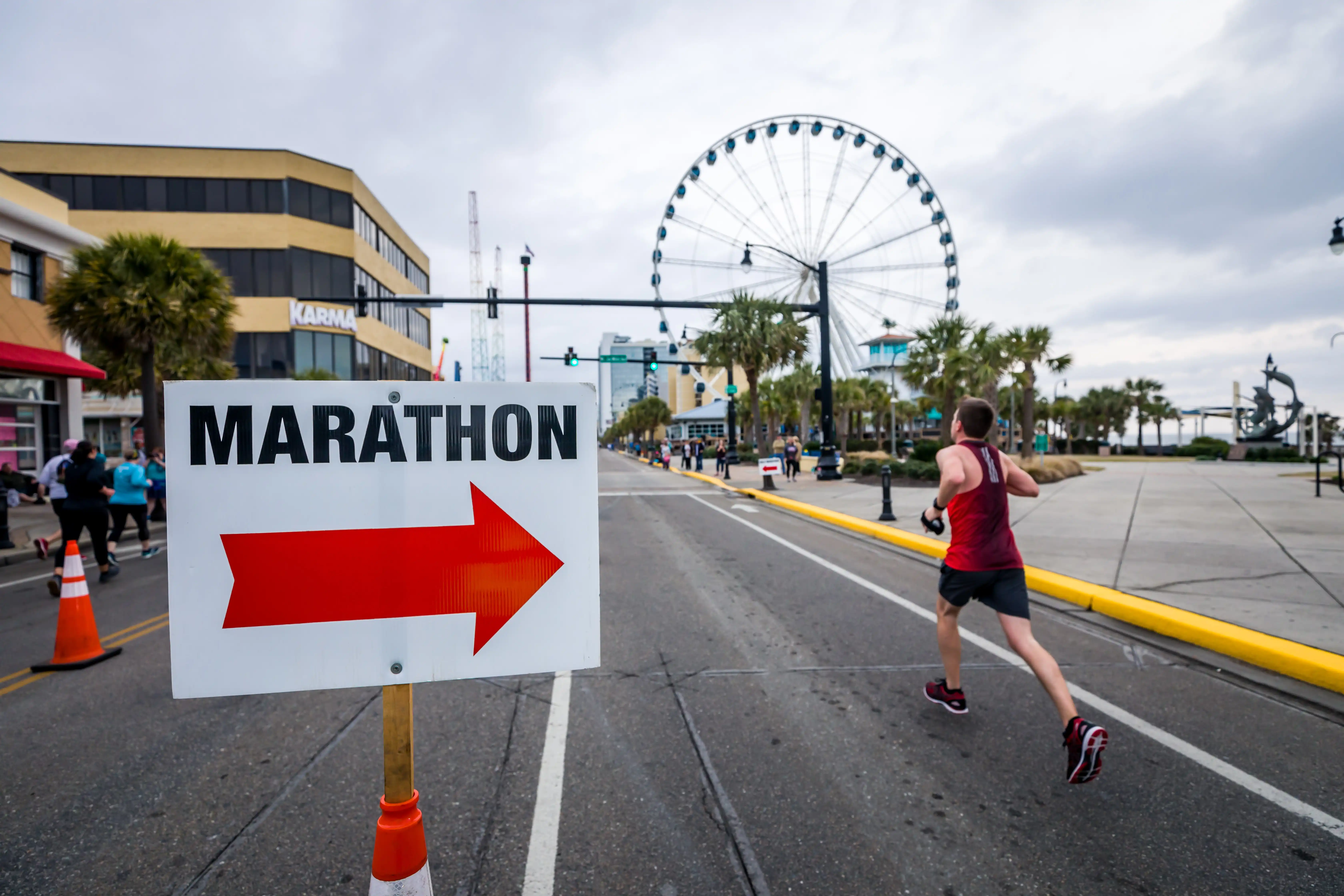
Limit values in the prediction of success in the Olympic Distance Triathlon

Cut-Off Values in the Prediction of Success in Olympic Distance Triathlon For the development of the triathlon over the Olympic distance, limit values and performance-related tools are needed. The purposes of this study were the determination of limit values to achieve the three best positions in a triathlon over the Olympic distance and determine which discipline has the greatest influence on the overall performance of the race and whether it has changed over the decades. Data from 1989 to 2019 (n = 52'027) of all who participated in official triathlons through the Olympic Distance (World Triathlon Series and Olympics) were included. The limit to reach a top 3 position was calculated.Linear regressions were used for current trends as a whole and for the three best positions of each race. Men had limits from: swimming = 19.5 min;Cycling = 60.7 min;Running = 34.1 min. The limits for women were: swimming = 20.7 min;Cycling = 71.6 min;Run = 38.1 min. The running Split seemed to have the greatest influence on the entire race period regardless of rank position or gender.Finally, cut-offs were set, which can increase the opportunities for a successful ranking at a triathlon over the Olympic distance.

Read more

An analysis of the participation and performance of 2067 100 km ultra-marathons worldwide

An Analysis of Participation and Performance of 2067 100-km Ultra-Marathons Worldwide The aim of this study was to analyze the number of successful finishers and the performance of athletes at 100 km ultra marathons worldwide. A total of 2067 100 km ultra-marathon races were analyzed with 369,969 men and 69,668 women between 1960 and 2019, including the number of successful runners, age, sex and running speed. The results showed a strong increase in the number of running events and a strong increase in the number of participants in the 100 km ultra marathons worldwide. The difference between men and women disappeared in athletes that were older than 60 years.Nevertheless, the running speed of athletes has improved over 70 years every decade.In contrast, the performance gap remains among the three best athletes over all decades. The performance difference between the sexes is not significant in recent age groups (20-29 years) and the oldest age groups (> 90 years) for recreational athletes and at top 3 athletes over 70 years.

Read more

Advantages and risks of swimming in cold water

Cold Water Swimming-Benefits and Risks: A Narrative Review Cold water swimming (winter or ice swimming) has a long tradition in northern countries. Until a few years ago, ice swimming was practiced by very few extreme athletes.Ice swimming has been carried out for several years as a competition in ice-cold water (colder than 5 ° C). The aim of this overview is to represent the current state of advantages and risks in swimming in cold water. If cold water swimming practiced from experienced people with good health in a regular, graduated and adapted mode, this seems to bring health benefits.

Read more

Ultra marathon-induced increase in serum levels of vitamin D metabolites

Ultra-Marathon-Induced Increase in Serum Levels of Vitamin D Metabolites: A Double-Blind Randomized Controlled Trial. While an increasing number of studies occupies the importance of vitamin D for sporting performance, the impact of any kind of movement on the vitamin D metabolism is poorly characterized. We wanted to identify the reactions of some vitamin D metabolites on ultra-marathon runs.A design with repeated measurements has been implemented, in which 27 amateur runners have been divided into two groups: those who received a single dose of vitamin D3 (150'000 IE) for 24 hours before the start of the marathon (150,000 IE) and those (n = 14) which received a placebo. Blood samples were taken for 24 hours immediately after and 24 hours after the barrel.In both groups of runners, the serum levels 25 (OH) D3, 24.25 (OH) 2D3 and 3-EPI-25 (OH) D3 after the ultra-marathon increased significantly by 83%, 63% and 182% respectively. The increase was most pronounced in the vitamin D group.Body mass and fat mass decreased significantly after the barrel in both groups.

Read more

Participation and performance at the oldest ultramarathon of the world - the Comrades Marathon

Participation and Performance in the Oldest Ultramarathon-Comrades Marathon 1921-2019 Participation and performance trends were analyzed for limited periods for different ultramarathons. This study examined trends in terms of participation and performance at the oldest ultramarathon in the world, the Comrades Marathon (South Africa), during a century (1921-2019). Data from www.ultra-marathon.org to 100'000 finishers were analyzed using various general linear models.Women made 4.2% of the total sample (n = 4'152), and the first women ran this race in 1978. Before 1965, the number of participants was between 5 and 35 athletes and began to grow exponentially by the mid-90s. In the 1970s, an increase in finishers was observed mainly due to an increase in male athletes in age groups 30-39, 40-49 and 50-59 years. There was a stable running speed for women and men as a whole, but a performance improvement for the annual top 5 women and men.Male runners were faster than female runners in all ages.

Read more

Mood changes and cognitive performance before and after a 100 km nocturnal ultramarathon

Changes of Mood and Cognitive Performance before and after a 100 km Nighttime Ultramarathon Run Ultramarathons become an increasingly popular endurance sport.Year after year, the requirements for the skills and the endurance of the athletes rise. Ultramarathons especially burden the psychological functioning of athletes. In this study, relations between participation in a nocturnal ultramarathone and changes in mood and cognitive functions were examined. The study included 20 experienced runners aged 26 to 57 years with experience.There were 18 men and 2 women. The mood states were measured twice, just before the start of the run and shortly after crossing the finish line, using the Polish version of the UMACL UWist Mood Adjective Checklist of Mathews, Chamberlain and Jones. To assess the cognitive functions, the Stroop Color and Word Test and the Subtest “Prevralation Span” of the Changer Adult Intelligence Scale were used.

Read more

What variables influence the mileage?

Predictive Performance Models in Long-Distance Runners: A Narrative Review Physiological variables such as maximum oxygen uptake (VO2max), the speed at maximum oxygen uptake (VVO2max), the running economy and changes in the lactate level are considered as main factors for the performance for long-distance races. The aim of this review was to introduce the mathematical models available in the literature to estimate performance at the competitions 5'000 m, 10,000 m, half marathon and marathon. Eighty-eight articles have been identified, selections based on the inclusion criteria and the full text of the articles received. The articles were reviewed and categorized according to demographic, anthropometric, exercise physiology and field test variables. From 1983 to this day, a total of 58 studies were included, which were divided into the following categories: 12 to 5'000 m, 13 to 10'000 m, 12 on half marathon and 21 on Marathon. A total of 136 independent variables in connection with the performance in long-distance races were taken into account, of which 43.4% of variables derived from the evaluation of the aerobic metabolism, 26.5% variables associated with the training load, and 20.6% anthropometric variables, body composition and somatotypic components. The narrowest-associated variables in the predictive models for semi- and full marathon specialties were the variables obtained from the laboratory tests (Vo2max, VVO2max), training variables (training pace, training load) and anthropometric variables (fatty mass, skin folds). In predicting the time for long-distance races on the basis of field tests, there is a big gap.Physiological performance assessments are almost exclusively for shorter specialties (5'000 m and 10,000 m). The predictor variables of the half-marathon are mainly anthropometric, but with moderate determination coefficients.

Read more

Talight endurance charges without a lot of sleep

Extreme sports performance for more than a week with severely fractured sleep Highly interrupted sleep is usually presented negative, but examinations in extreme sports show that people can maintain their performance with a minimum of sleep. Two cases of long-lasting extreme sports are shown that strongly interrupted sleep does not necessarily lead to a deterioration in physical and cognitive performance. During a world record experiment in long-term skiing, a continuous polysomnography was carried out on a 34-year skier for 11 days and nights, and a 32-year cyclist was examined for sleeping and activity protocols during the Race Across America for 8.5 days. The skier slept in 15-16 nap with a daily average of 6 hours, consisting of 77% in sleep 1 and 2, 11% at Stage 3 and 13% in Stadium Rem.The cyclist slept a total of 7 hours and 52 minutes in 8.5 days, divided into 11 short naps and 6 sleeping phases. The average duration of the nicker was 8.8 minutes and sleep 64.2 minutes.

Read more