The influence of running on the heart

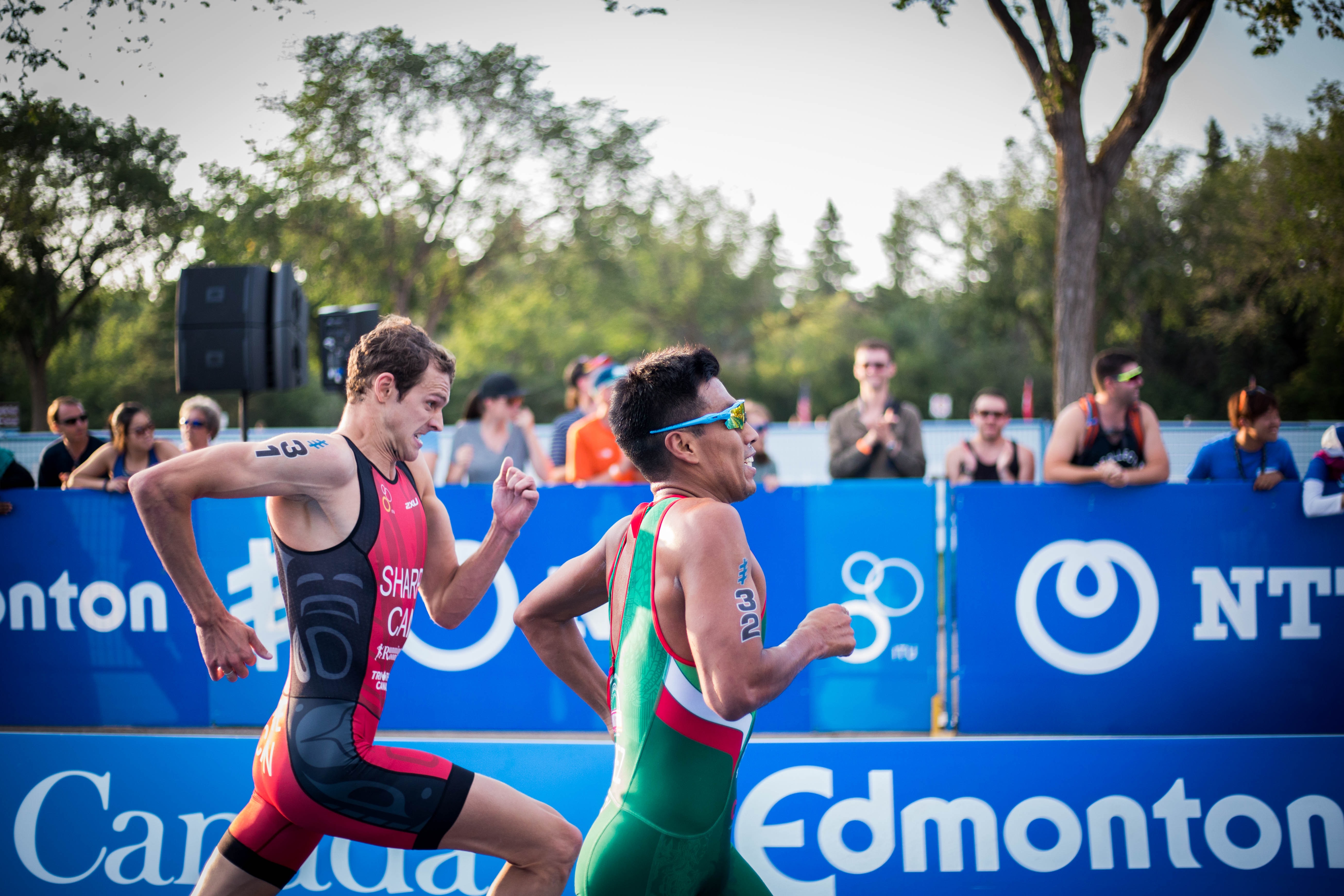
Effects of medium- and long-distance running on cardiac damage markers in amateur runners: a systematic review, meta-analysis, and metaregression To finish a long-distance race, the athletes have an intensive effort that induces the release of markers for a heart muscle damage.There are several factors that can influence the total number of these markers. The aim of this study was therefore to analyze the impact of endurance races on markers for a heart muscle damage and identify the factors that change the degree of segregation of these markers. A systematic search in PubMed, Web of Science and the Cochrane Library databases has been performed.This analysis included studies in which the acute effects of races on markers were analyzed for a heart muscle damage (troponin I and troponin T), with the mirrors of these markers being evaluated before and after the races. The effects of races on troponin I and troponin T were significant.The age and body mass indices of the athletes had a significant interaction with troponin I. In addition, gender, mean speed, time until the end of the race and type of race influence the height of the markers for a heart muscle damage. Long-distance races lead to the release of markers for a heart muscle damage, which remain elevated after the races for at least 24 hours.In addition, young male athletes use high body mass indices that perform races that combine long duration and moderate intensity (marathons), the highest levels of markers for a heart muscle damage free.

Read more

Ultramarathon and rhythm disorders

The acute effects of an ultramarathon on biventricular function and ventricular arrhythmias in master athletes The endurance sports practice has increased significantly in recent decades, with a growing share of participants older than 40 years.Although the benefits of moderate regular movement are known, there are concerns about the potential negative effects caused by extreme endurance sports. The aim of this study was to analyze the acute effects of an ultramarathon race on the electrocardiogram, the bivescentricular function and ventricular arrhythmias in a population of master athletes. Master’s athletes were recruited, which participated in an ultramarathon (50 km, 600 m altitude difference) without heart disease in the prehistory.From the day before until the end of the race, an electrocardiogram was continuously recorded with a derivative. Before and at the end of the race, echocardiography and a rest electrocardiogram with 12 derivatives were performed.The sample consisted of 68 healthy, not professional athletes. Compared to the baseline, the R-wave amplitude in V1 and the QTC duration after the race was higher.Load-induced insulated premature ventricular strokes were observed at 7% of the athletes.Nobody showed a non-persistent ventricular tachycardia before or during the race.The left ventricular ejection fraction, global longitudinal string and twisting did not differ significantly before and after the race. After the race, no significant differences were found in the dimensions of the right ventricular inflow and drainage tract, the change of the partial surface, and the GLS of the free wall.

Read more

Cardiovascular risk in ultra skiers

Cardiovascular risk among ultra-endurance runners The aim of this study was the prevalence and the clinical correlates of conventional cardiovascular risk factors in marathon runners with extreme endurance. An electronic Internet survey for the characterization of modifiable cardiovascular risk factors such as diabetes, hypertension, dyslipidemia, tobacco exposure and obesity (BMI> 30 kg / m2) for competitive ultra skills.Of 290 respondents (42 ± 11 years, 31.4% female) had 106 (36.6%) at least an established cardiovascular risk factor. The female gender, younger age and participation in competition sports were associated with freedom of cardiovascular risk factors. There were no significant relationships between risk factor status and hours per week running training (risk factor negative = 10 ± 7 vs. Risk factor positive = 11 ± 8 hours) or years of extreme duration competitions (6 ± 8 vs. 7 ± 9 years). Runners with at least one cardiovascular risk factor had more personal or equal concerns about excessive alcohol consumption.Conventional cardiovascular risk factors are common in ultra skills. Early participation in competition sports instead of movement habits in adults is associated with the reduction of the development of cardiovascular risk factors in middle age.

Read more

Body fat and performance in the triathlon

Distribution of body fat is associated with physical performance of male amateur triathlon athletes Endurance sports are strongly connected to maximum oxygen uptake, anaerobic threshold, running economics and body fat percentage.Although the importance of low-fat mass for the performance is a consensus in the literature, there is no data on the meaning of the pattern of fat distribution. The aim of the present study was therefore to examine the relationship between the fat mass distribution with the triathlon performance and the physiological power dwellers: maximum oxygen consumption, fantatical threshold and tread economy, and the predictive value for the performance of the gynoid or Android fat mass to verify distribution. 39 triathlets (38.8 ± 6.9 years, 174.8 ± 6.5 cm and 74.3 ± 8.8 kg) were applied to anthropometric (total body mass, fat mass, lean mass, android and gynoid fat mass) and physiological (maximum oxygen consumption, fantatile threshold, and running economy) examined.The overall relationship of the race time with the gynoid fat mass was classified as moderate to high and with the android fat mass as low. All mutacles and the entire race time showed significant and positive correlation with the total fat mass (%) and with the gynoid fat mass (%).The entire race time can be better predicted by the gynoid fat mass than through the Android fat mass.

Read more

Teenagers in the ultramarathon

Recommendations on Youth Participation in Ultra-Endurance Running Events: A Consensus Statement Participation in ultra-run events takes over all ages, including adolescent athletes. The 50 and 100 km routes are the most popular routes in adolescent athletes.Most youthful athletes are between 16 and 18 years old.However, some runners under 12 years have successfully completed ultra running events. Parents, athletes, coaches, race guides and physicians are often looking for advice on the safety of adolescent athletes participating in these events, especially with regard to possible short and long-term health.Ultra-run can affect important organ systems during growth and development. We propose a decision-making process based on the current knowledge and experience of the consensus group and with age rules, medical and psychological well-being, training status and racial factors (route length, height differences, remoteness of the event, temperatures, medical care, support by the organizer)until evidence for the long-term consequences of ultra-run in young athletes are available.

Read more

What happens at a 100 km march?

Physiological Changes, Activity, and Stress During a 100-km–24-h Walking-March Long-distance loads such as ultramarathons are known to solve various metabolic and physiological changes in the human body.About very long stress at low intensities in healthy people is little known. The purpose of this study was to examine changes in body composition and metabolism for events with long endurance and low intensity. 25 male and 18 female healthy recreational athletes (34.6 ± 8.8 years; BMI: 22.4 ± 2.0 kg / m2) of the 100 km Mammoth March were recruited for participation in the 2014-2016 events. In addition to the classic ultramarathons, the mammoth march is a hiking event, where the participants run, but did not race or jog.It was expected that the 100 km route is covered within 24 hours, resulting in a calculated average speed of 4.17 km / h, which corresponds to the observed average speed (4.12 ± 0.76 km / h). Since not all participants reached the finish line, the comparison of finishers and non-finishers enabled a different evaluation of performance.The body composition measured by bioelectric impedance analysis was determined before and after the march, and serum samples were taken from the march at 30, 70 and 100 km to determine NT-PRO-BNP, troponin T, C-reactive protein (CRP)),Cortisol, lipoprotein low density (LDL), lipoprotein high density (HDL), triglycerides, total cholesterol, total creatine kinase (CK), CK-MB, aminotransferase (branch), old and sodium to determine. Nineteen participants carried ancient bracelets (Sensewear®) to obtain information about body activity and training intensity \ [metabolic equivalent of the task (MET) ].Sixteen participants carried mobile heart rate meters to determine the average heart rate during the race. Changes in serum parameters Over the race, Anova was analyzed with mixed effects and additional T tests.All serum parameters were analyzed on correlation with respect to various MET mirrors, speed, age, BMI, NT-Pro-BNP baseline, medium heart rate during race and gender with linear regression analysis. We found significant elevations for muscle and heart stress markers (CRP, CK, CK-MB, AST, ALT, Cortisol and NT-PRO-BNP) and decreasing markers for lipid metabolism (cholesterol, triglycerides, LDL). Although the intensity level demanded by our participants was low compared to other studies on ultramarathons, the change of the tested parameters was similar to high-intensive loads, e.g.B. showed NT-PRO-BNP a four-times increase and a decrease in the LDL by 20%. In addition to the training period, age, BMI, training status and gender are relevant parameters that influence the increase in stress factors.In particular, our data indicates that NT-PRO-BNP could be a marker for cardiovascular fitness even in healthy adults. This low intensity march highlighted a strong systemic reaction and great cell stress and moved to a favorable lipid profile comparable to higher intensity loads.

Read more

The way to the Raam

From Sedentary and Physical Inactive Behaviours to an Ultra Cycling Race: A Mixed-Method Case Report In the faculties for health sciences, almost 30% of nursing students exercise less than once a week. This case report shows the 38-month development of the physiological and psychological health care parameters of a sitting and physically inactive nursing student. During this time, it initially took part in a one-month institutional physical activity program offered by its university before being selected with a Stauffeltam of the University of Participation in the Race Across America (RAAM).In the four months before the Raam, she completed a cycling training.After the Raam she was followed up for the next 28 months. The results showed that every phase of the study had an important influence on the subject and that sitting and physically inactive behaviors are reversible. Institutional programs, including training training In addition to simultaneous strength and endurance training, can lead to physiological and psychological improvements in health.For some people, participation in a sporting challenge can improve motivation and long-term compliance with physical activity. For future interventions to promote the participation in physical activity, an individual approach should be considered.

Read more

Pacing in hourly runs

Pacing in Time-Limited Ultramarathons from 6 to 24 Hours—The Aspects of Age, Sex and Performance Level Compared to marathon races, the pacing was only badly discussed in the literature for temporary ultramarathons in the literature. The aim of the present study was to analyze the interaction of performance level, age and gender with the pacing during 6-H, 12-H or 24-H temporary ultramarathons. The participants (n = 937, age 48.62 ± 11.80 years) were the finishers in 6 hours (n = 40, 17 women and 23 men), 12 hours (n = 232, 77 women and 155 men) and 24Hours (n = 665, 166 women and 409 men) ultramarathons. The variation coefficient (CV) calculated as SD / average was used to describe the pacing.Low CV values mean a more uniform pacing and vice versa. A two-way variance analysis examined the main effects and interactions of gender and duration at age, speed and pacing. On the longer race, more men participated as the shorter, and men were older and faster than women.In comparison of the 6-hour, 12-hour and 24-hour race, the finishers were the fastest in the 6-hour race the fastest, the finishers in the 12-hour race the elders and the finishers in the 24-hourRaces showed a wide variety of speed.In addition, the faster running speed was connected in the 12 hours and 24 hours with a less variable pacing.

Read more

Criteria for exceptional ultramathon performance

To Be a Champion of the 24-h Ultramarathon Race. If Not the Heart … Mosaic Theory? This comprehensive case analysis aimed to identify the characteristics that allow a runner to reach the championship at 24-hour ultramarathone races. A 36-year-old, multiple medal winner of the World Cup in the 24-hour run was analyzed before, one and 10 days after a 24-hour run. The results of its extensive laboratory and cardiological diagnostics with transthoracic echocardiography and a unique cardopulmonary stress test were analyzed. After 12 hours run (about 130 km), the athlete had increasing pain in the right knee.Its clinical basic data lay in the standard area.The high physical performance in a cardiopulmonal stress test (Vo2max 63 ml / kg / min) was similar to the average of other ultramarathon runners, which achieved significantly worse results. Therefore, we also conducted genetic tests and evaluated his psychological profile, its body composition and markers for physical and psychic stress (serotonin, cortisol, adrenaline, prolactin, testosterone and luteinizing hormone).The athlete had a MTDNA haplogroup H (HV0A1 subgroup, which belongs to the HV cluster), which is characteristic of athletes with the highest endurance. Psychological studies have shown a high and very high intensity of the properties of individual scales of the tools used: mental load capacity (62-100% depending on the scale), openness for experiences (10 sten), coherence (10 sten), positive perfectionism (100)%) And general hope for success (10 sten).The athlete itself considers the commitment and mental support of his team as a significant factor for his success. The assessment of the body composition (13.9% fat) and the degree of stress markers were inconspicuous. The tested athlete showed a series of characteristics of the masters of ultramarathon runs, such as congenital investments, mental characteristics, training levels and pain resistance.However, none of these functions are reserved exclusively “Champions”.The participation of team support is not to be underestimated. The factors that guarantee the success of this elite 24-hour ultramarathon runner go far beyond physiological and psychological explanations.

Read more