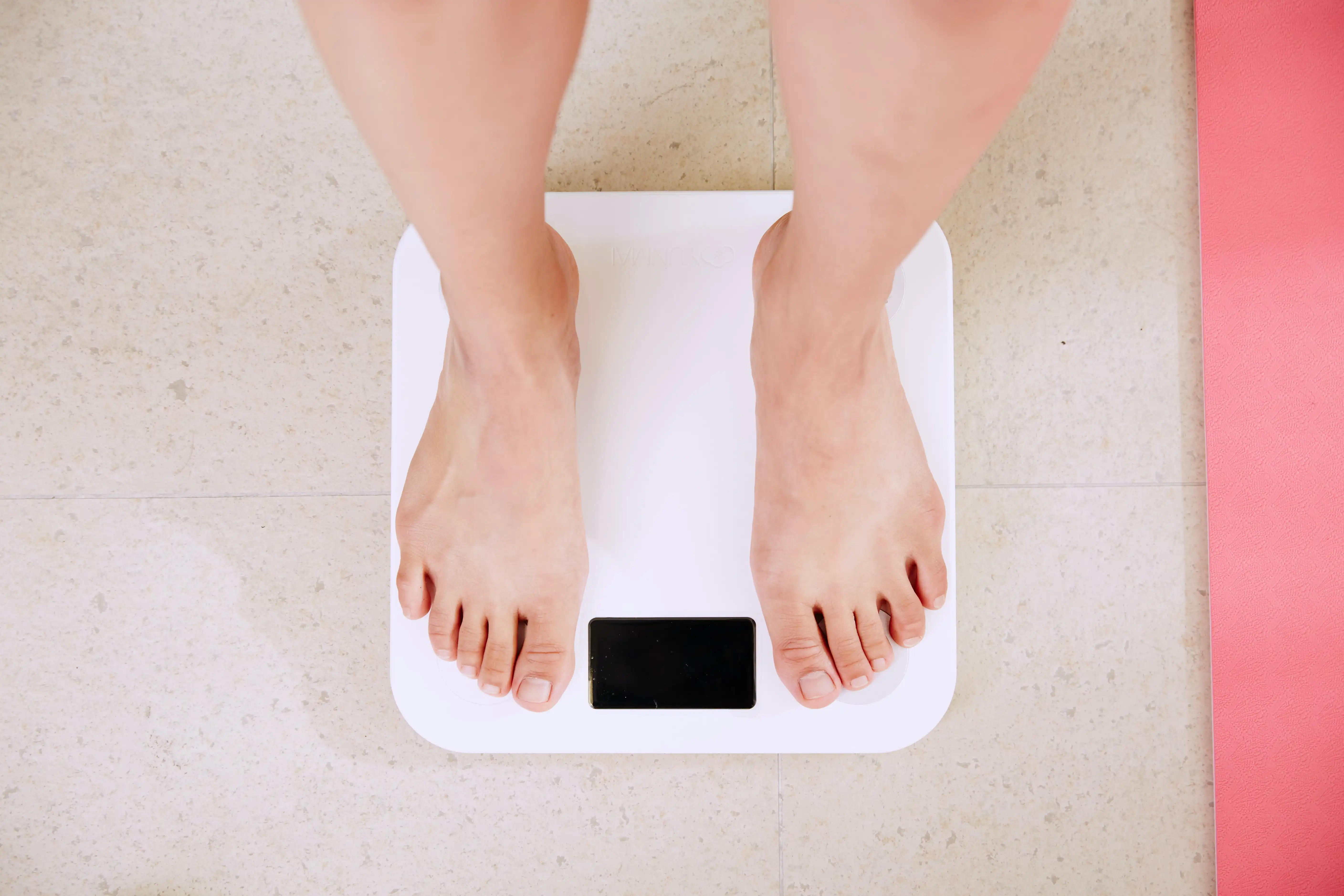
Validity of Recreational Marathon Runners’ Self-Reported Anthropometric Data While studies on large samples of leisure runners often supported the values of size and weight specified by the participants themselves, the validity of this data for this population was not investigated. This study has therefore tried to investigate the validity of self-stated anthropometric measures for leisure marathons. Female (n = 32) and male (n = 135) Leisure marathon runners were asked to appreciate their weight and their height and we calculated their self-reported BMI.After that, we took real measurements of weight and height and calculated their actual BMI.The values registered by the participants themselves underestimated their actual weight by 0.65 kg and their actual BMI by 0.35 kg / m2. There was a significant interaction for the gender for both body mass and BMI, as women underestimated their weight more than men. The participants overestimated their size by 0.44 cm, but the interaction of gender and size was statistically not significant.The underestimation of the weight correlated with the speed in the marathon and the body fat content in men, but not in women.
The disagreement between self-reported and measured anthropometric data in the present sample was less reported than previously reported for the general population, suggesting that marathon runners may perceive and / or report their anthropometric properties. These results are for questionnaires from health professionals and researchers (eg nutritionists and exercise physologists) for leisure marathon runners of practical value. The whole study can be found under https://journals.sagepub.com/doi/10.1177/0031512520930159