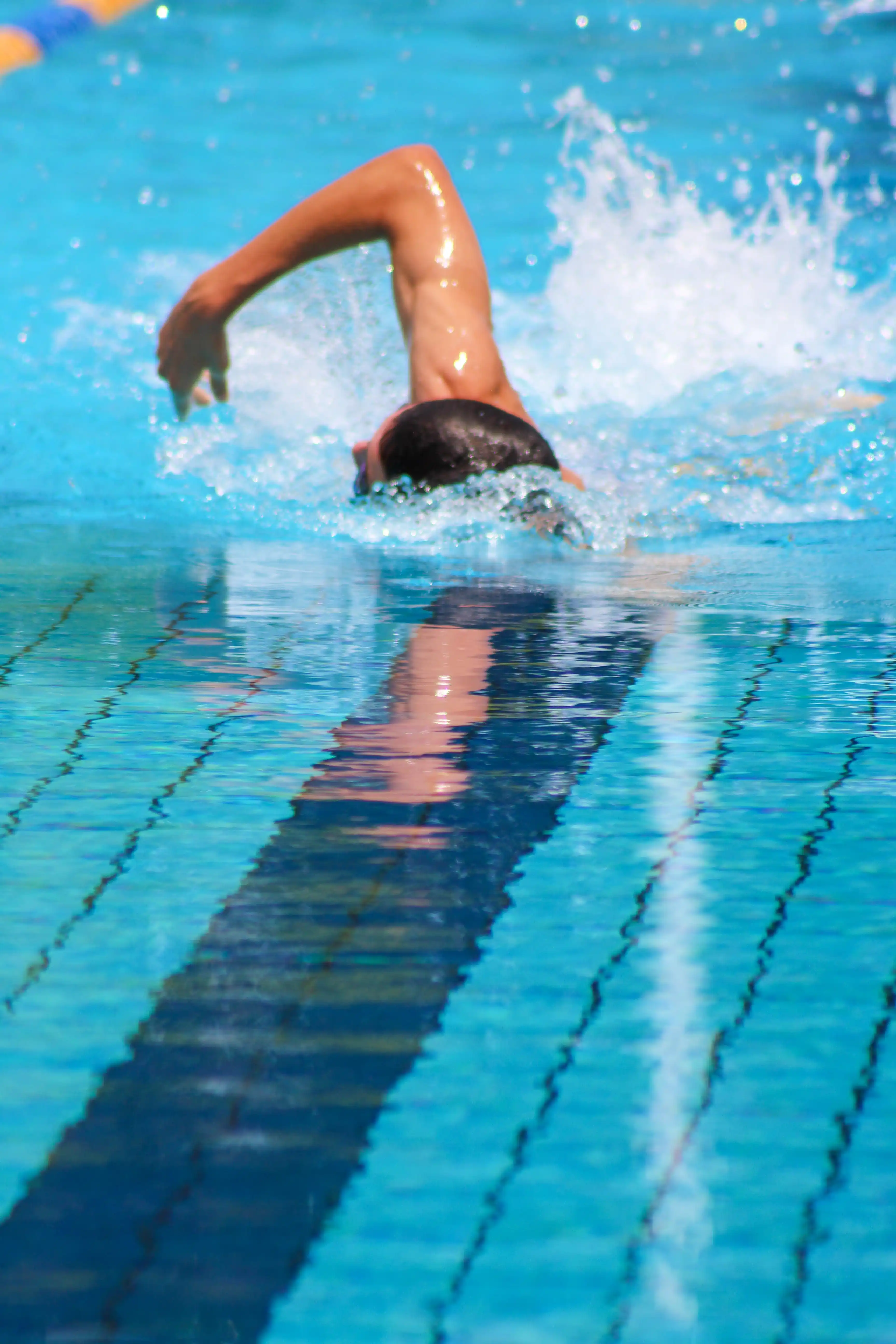
How cold is too cold? Establishing the minimum water temperature limits for marathon swim racing The idea for this study was a basis for rules for a minimum temperature of the water in long-distance floors to deliver and highlight the facts that prone to swimming in open water for excessive cooling. 12 Slim competition swimmer slammed up to two hours three times at different water temperatures between 14 ° C and 20 ° C and only carried the standard equipment. The rectal temperature, the oxygen consumption, the perception of cold and the performance were measured. At 16 ° C, half of the floats did not swim twisting;Four were hypotherm (or was predicted to become hypothermic) within two hours of hypotherm (or it was predicted.At 18 ° C, three quarters ended swimming;Three became (or have been predicted) Hypotherm.At 20 ° C was predicted that a float cooled in less than two hours. The average linear rate of the rectal temperature drop was 16 ° C (-1.57 ° C / hour) larger than 18 ° C (-1.07 ° C / hour). There was no change in the swimming performance during swimming or between the conditions. Most of the cooling rate could be explained by metabolic heat generation and morphology for both 16 ° C and 18 ° C. No relationship was observed between the rectal temperature and the perception of the heat feeling, and there was a weak correlation between the rectal temperature and the thermal sensation.
It was recommended that 16 ° C and 18 ° C water for elite marathon swim rings are too cold. The rules of the FINA were changed in 2017 to compulsory wet suits below 18 ° C and optionally below 20 ° C. The whole article can be found under https://bjsm.bmj.com/content/53/17/1078