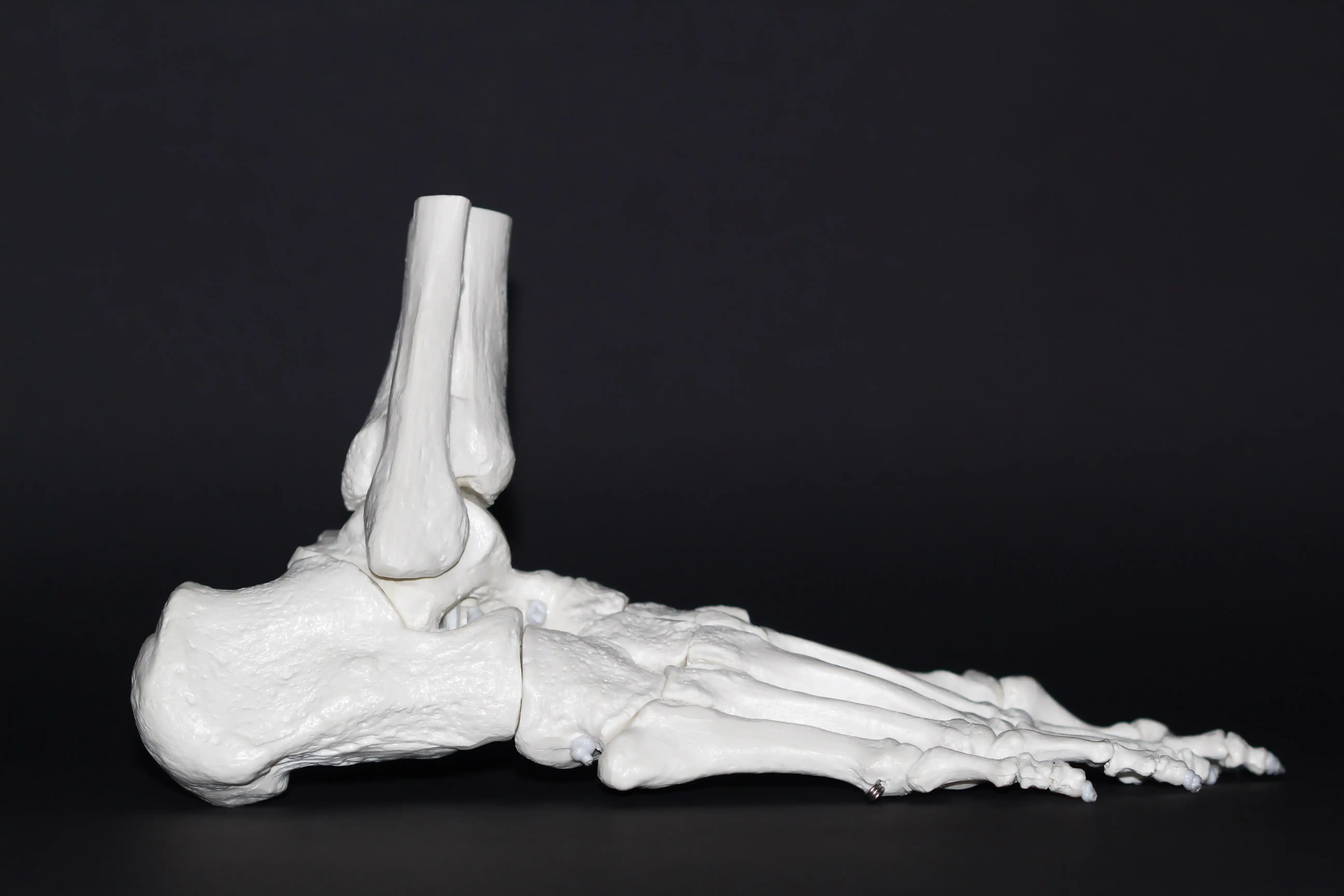
Vitamin D and Stress Fractures in Sport: Preventive and Therapeutic Measures—A Narrative Review There are numerous risk factors for stress fractures identified in the literature.Among various risk factors, a longer lack of vitamin D can lead to stress fractures for athletes because a vitamin D insufficiency is associated with an increased incidence of a fracture.A vitamin D value of <75.8 NMOL / L is a risk factor for stress fractures.However, a vitamin D deficiency is only one of several potential risk factors. Well documented risk factors for a stress fracture are female gender, white ethnic affiliation, higher age, larger stature, lower aerobic fitness, previous physical inactivity, larger quantities of current physical training, thinner bones, vitamin D deficiency, iron deficiency, menstrual disorders and inadequate intake ofVitamin D and / or calcium.Stress fractures are not uncommon for athletes and affect around 20% of all competitors. Most athletes with a stress fracture are under 25 years old.Stress fractures can affect every athlete, from the weekend athletes to the top athlete. Stress fractures are common in certain sports such as basketball, baseball, athletics, rowing, football, aerobics and classic ballet. The lower extremity is increasingly affected by stress fractures at the points of the tibia, the metatarsalia and the pelvis. In terms of prevention and therapy, vitamin D seems to play an important role.Athletes should receive an analysis of the vitamin D-dependent calcium homoostase based on laboratory tests of vitamin D, calcium, creatinine and minor turtle hormone. In a lack of vitamin D D, normal blood levels of ≥30 ng / ml can be restored by optimizing the lifestyle of the athlete and optionally by oral substitution of vitamin D.
Recent studies suggest that the prevalence of stress fractures decreases when athletes are supplemented daily with 800 ie vitamin D and 2'000 mg of calcium.The recommendations for the daily intake of vitamin D can be up to 2,000 ies of vitamin D per day. The summary article can be found under https://www.mdpi.com/1648-9144/57/3/223