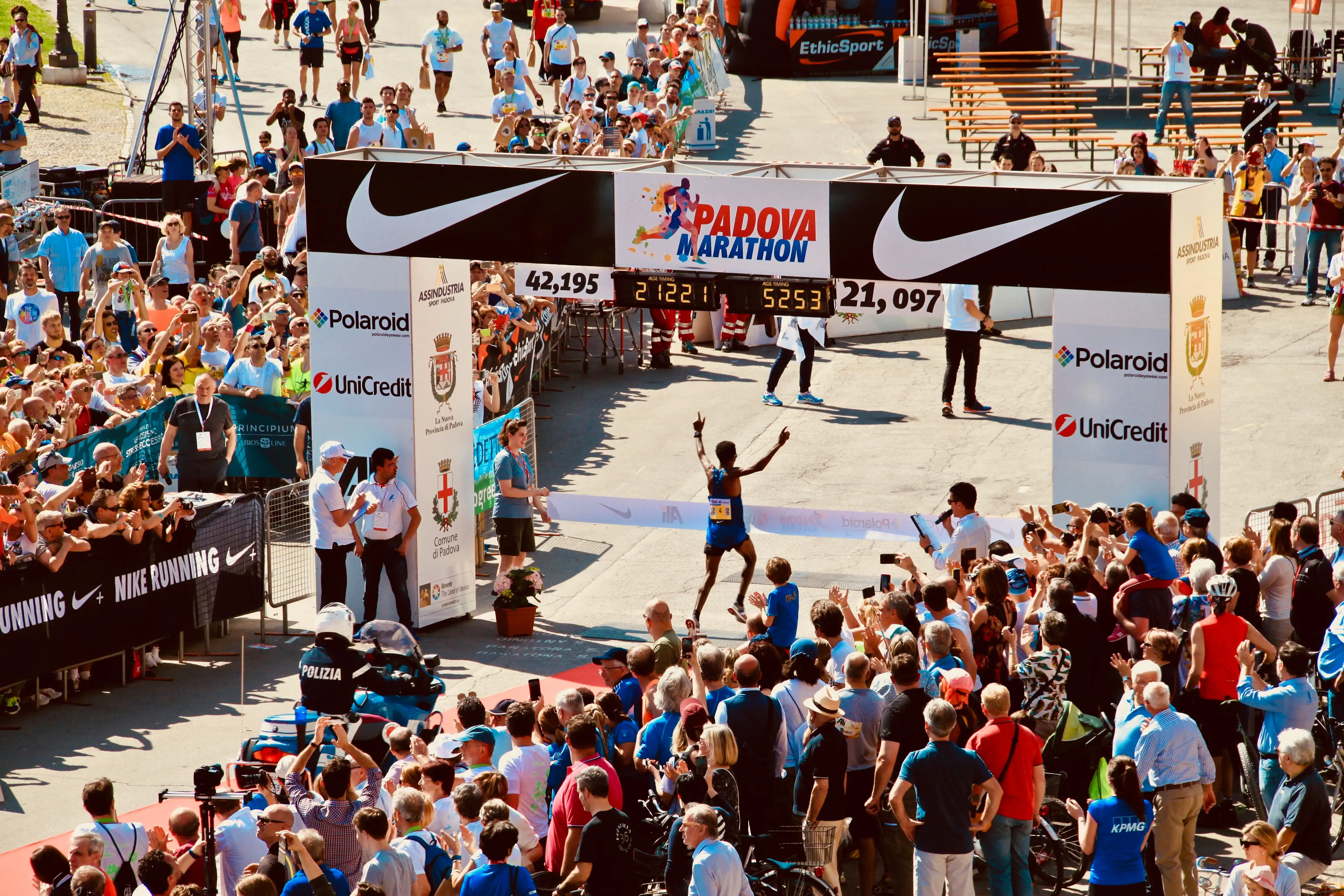
Cardiovascular Remodeling Experienced by Real-World, Unsupervised, Young Novice Marathon Runners Completing a marathon is a popular destination in modern societies, including non-athletes. Previous studies have highlighted the temporary myocardial dysfunction and the release of biomarkers immediately after the race.Whether this method for increasing physical activity is advantageous or harmful remains controversial. We investigate detailed the reaction of cardiovascular conversion to a competition in a first marathon. Sixty-five marathon runners (36 men and 32 women) At the age of 30 ± 3 years, as part of their first marathon, 6 months before and 2 weeks after the London Marathon 2016 were examined in a prospective observation study. The investigations included electrocardiography, cardiopulmonary stress tests, echocardiography and cardiovascular magnetic resonance imaging. After 17 weeks of unattended marathon training, the runners showed a symmetrical, eccentric remodeling with an increase in the size of the left and right ventricle by 3-5%.The blood pressure dropped by 4/2 mmHg, although only 11% showed a clinically significant improvement of maximum oxygen consumption with a non-significant increase in maximum oxygen consumption by 0.4 ml / min / kg. In the absence of a monitored training, the cardiovascular transformation caused by physical activity is more modest in marathon runners in the real world as previously described and occurs without improving cardorespiratory fitness.
The reactions are similar in men and women in which a positive blood pressure reduction and no signs of myocardial change or ongoing edema occur when average end times are achieved. The whole work can be found under https://www.frontiersin.org/articles/10.3389/fhys.2020.00232/full