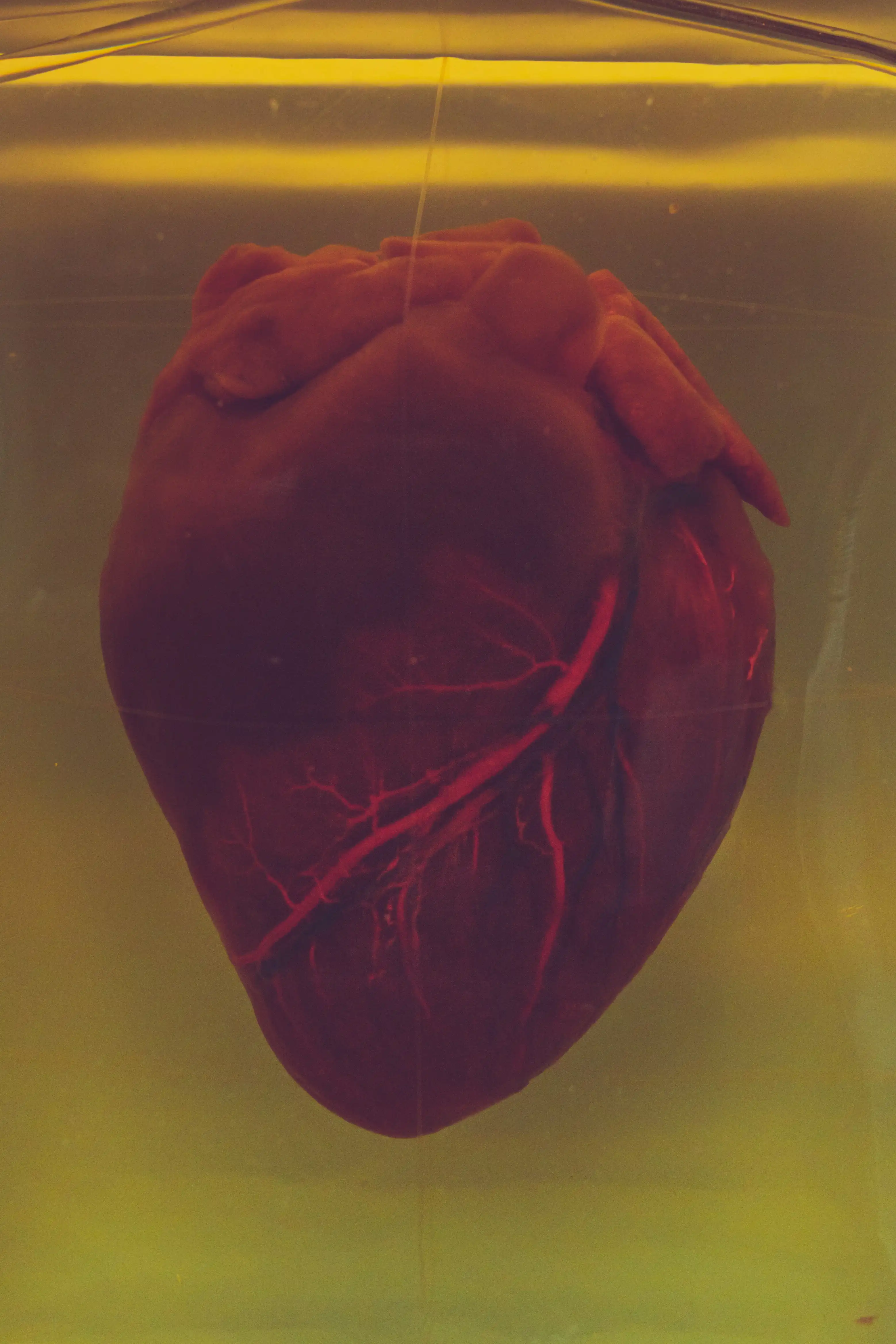
Factors Related to Cardiac Troponin T Increase after Participation in a 100 Km Ultra-Marathon. Intensive and longer training leads to an increase in the troponin concentration in the blood.The mechanism responsible for troponin release during workout is still unclear. The aim of the study was to search for risk factors for a troponin increase after a longer endurance competition. The study included a group of 18 amateurs, healthy volunteers (average age 41.5 years, IQR 36-53 years, 83% men) participated in a 100 km of ultra-marathon. Information on demographic features, heart rate before and after the race, blood pressure, body composition and glucose, lactate (L), troponin T (HS-TNT) and C-reactive protein concentration (HS-CRP) were obtained.In addition, data for L and glucose levels was collected all 9.2 km and for liquid / food intake during the race. There was a significant HS-TNT increase after the race that exceeds the upper reference values at 66% of the runners.None of the parameters said in case of measurement before the race a rise of the HS-TNT after the race. The only factors that correlated with changes in HS-TNT were the mean L concentration during the race and the change in HS-CRP concentration.
Participation in a 100 km long ultra-marathon leads to a small but significant increase in HS-TNT in the majority of the runners.Among the parameters analyzed, only the average lactate concentration correlated during the race and the change of the HS-CRP with the troponin change. The study can be found under https://www.mdpi.com/2075-4418/10/3/167