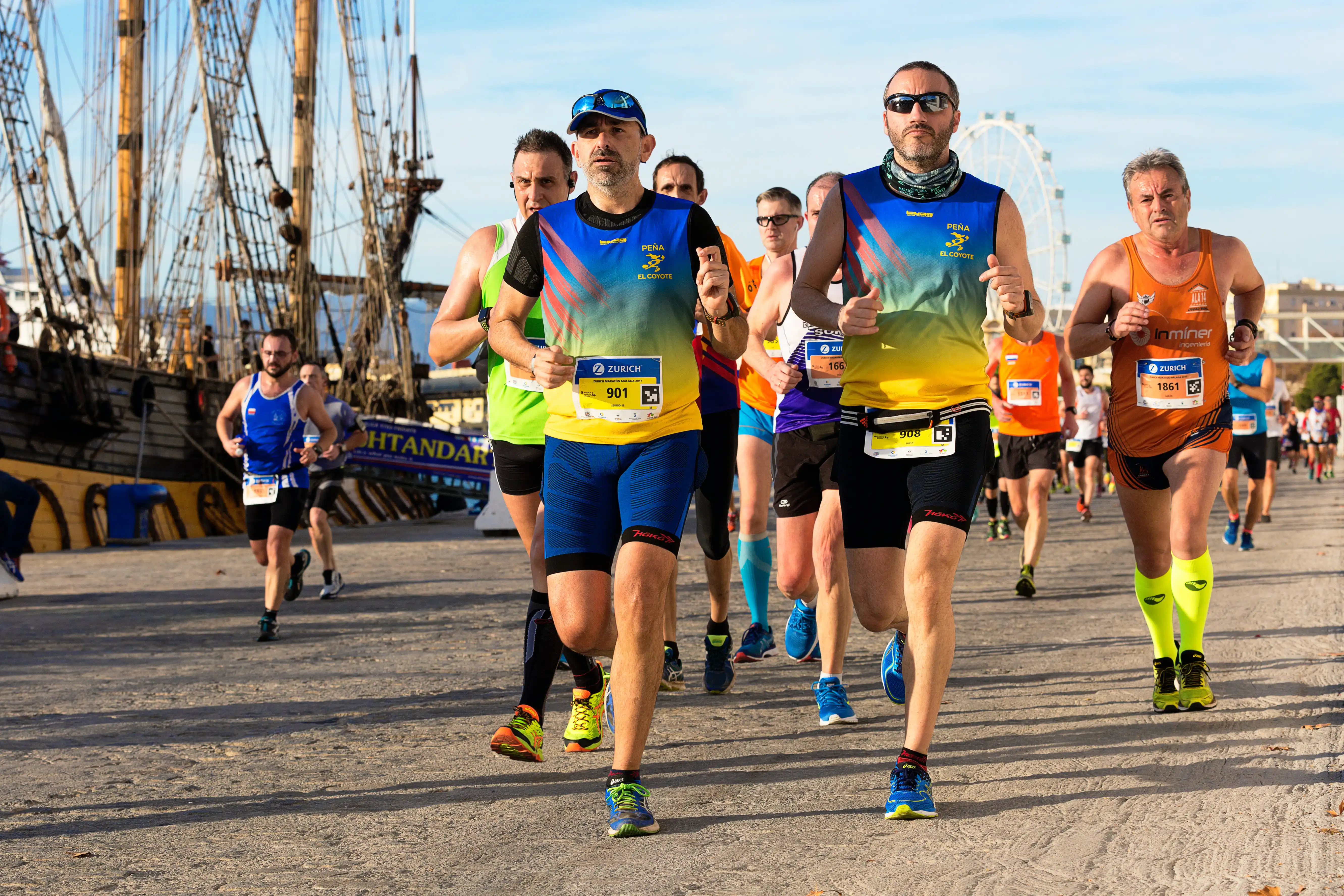
Running Performance Variability among Runners from Different Brazilian States: A Multilevel Approach The ecological model theory emphasizes that human development (or a particular behavior) is the result of the interplay of variables derived from different levels and comprising those that are directly related to the subjects, and those who focus on theEnvironment relate. In view of this, the purpose of this study is to determine whether the performance of the runners can vary between different Brazilian states than the factors associated with this difference. The sample included 1,151 Brazilian runners (61.8% men), which filled an online questionnaire, the information on biological (gender, age, size and weight), training (running pace, frequency and volume / week and motivation) and socio-demographic (Place) provided residential and wage aspects and perceptions about the environmental influences.Information about state variables were obtained from official institutes and included the Human Development Index (HDI), athletics events and the violence. A multi-level analysis was performed in HLM software.Characteristics on state level declared ≈3% of the total variance of mileage.Of the total variance declared for the individual level were 56.4% with the male gender, the age and the body mass index, economic status, perception of the natural environment, training frequency and weekly volume. At the state level, only athletics events had a positive and significant impact on performance.The area plays an important role in explaining the variability of mileage.
In view of the different states, environment variables should not be neglected because they are relevant to the study of other variables that may be related to the mileage. The whole work can be found under https://pubmed.ncbi.nlm.nih.gov/33916357/