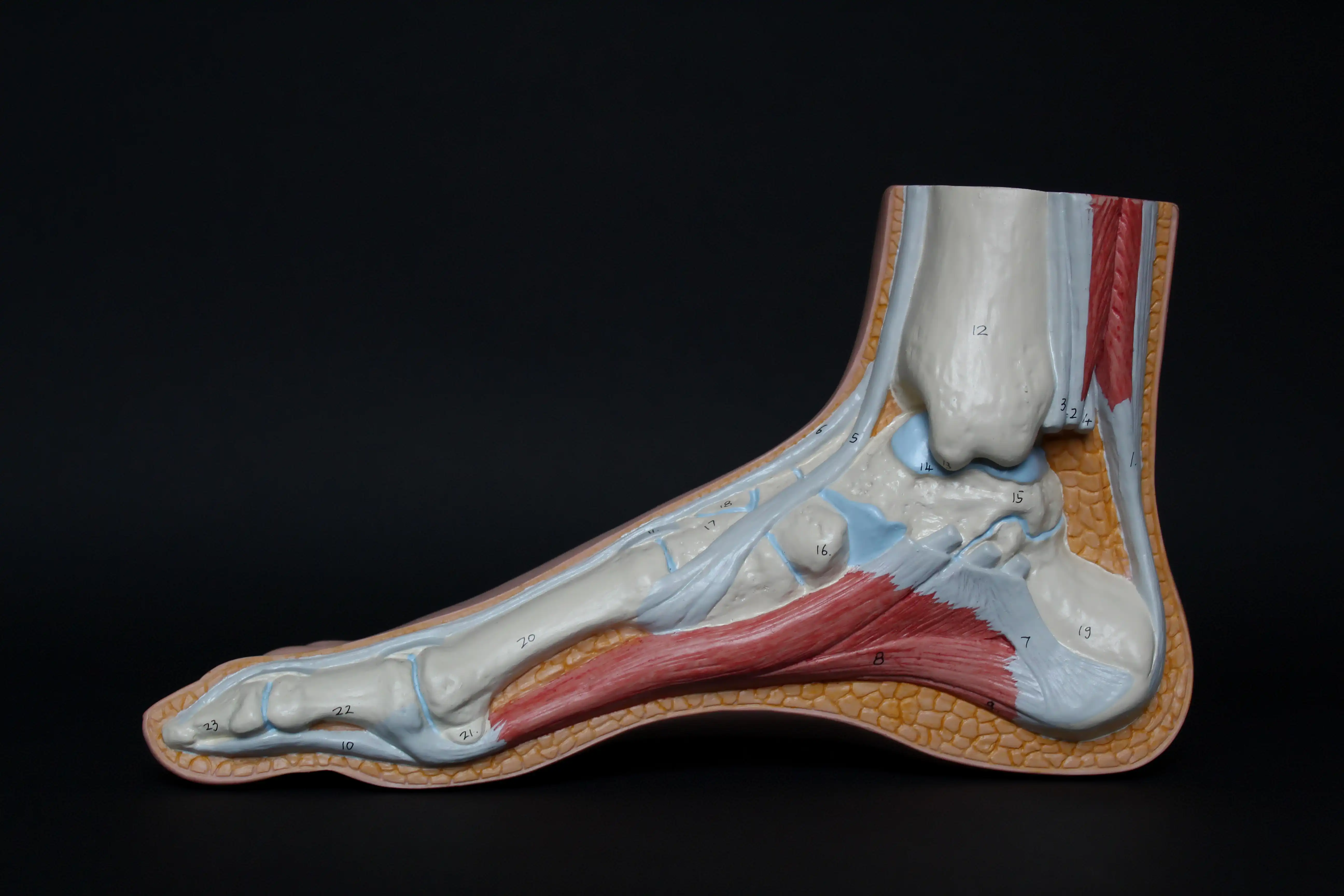
Pain during a marathon run: Prevalence and correlates in a cross-sectional study of 1251 runners The aim of this study was to obtain basic knowledge of pain during a marathon. In the first seven months of 2007, announcements on websites used for marathon runners were used to recruit participants. A total of 1'251 runners (550 female runners) have an online survey with 41 questions about the location and the intensity of their primary pain during their last marathon and potentially related variables such as perception of effort during the marathon, number of earlier marathons, typical pain intensityDuring the training runs, percentage of training days with running pain, as well as pain with the highest intensity ever occurred. The pain site was selected from a list of 27 specified body stations covering the entire body.Kilometers in which the pain occurred for the first time, indexed pain threshold.The pain intensity on the primary pain location was measured with a standardized, well-validated 0-10-pain intensity scale.Pearson correlations and multiple regression quantified the associations between average pain intensity and other variables. Sex-specific pain differences were tested with independent T tests.Expense ratings (6-20) were added as covariates in an ANCOVA to test whether the perceived effort explains possible gender-specific differences in pain. Based on the available research results, the hypothesis was set up that most runners would report pain with moderate intensity, pain would be associated with both training intensity during the marathon as well as pain during training, and after adjustment for the expected gender-specific differences in thePerceived effort would do women all except for two runners (99.8%) reported pain during a marathon and most commonly at the points of the front / middle thigh (17.1%), the Achilles tendon (10%) and the calf(9.3%). The pain threshold occurred at 25.3 ± 9.8 km (15.7 ± 6.1 miles) and the total interest tensity of the run was 5.26 ± 2.45.No sexual pain differences were found. The general pain intensity during a marathon was significantly combined with the pain intensity during the training runs, the percentage of training days with running pain, the pain with the highest intensity ever occurred, the number of previous marathons and intensity of effort.Most runners have during a marathon moderate to very strong pain.
The pain was independent of the biological sex and pain is weak with marathon racing experience, pain during training, racing effort and the highest intensity of pain ever experienced. The whole work is under https://www.frontiersin.org/articles/10.3389/full.2021.630584/full)