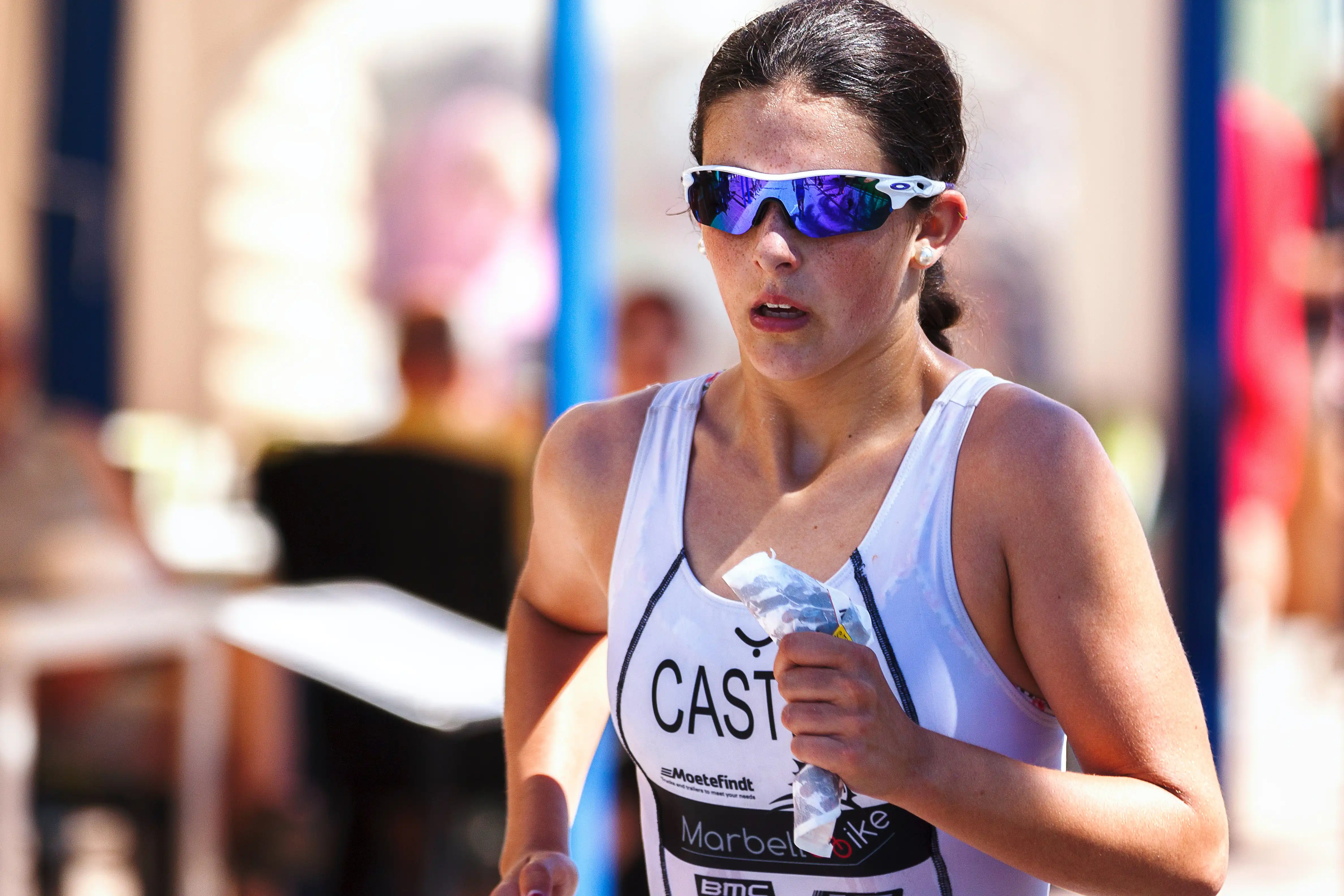
Physiological Responses and Nutritional Intake during a 7-Day Treadmill Running World Record Ultra-Running includes running events that are longer than a marathon (> 42.2 km). The extended duration of the Ultralaufs leads to a decrease of most or all physiological parameters and a significant energy effort and energy deficits. The runner, 47 years, 162.5 cm, 49 kg, Vo2max 4 ml / kg-1 / min-1, ran continuously for 7 days on a treadmill in 3-hour blocks, followed by 30-minute breaks and slept by1-5 o’clock. Heart rate, oxygen uptake, assessment of perceived effort, weight, lactate, hemoglobin, hematocrit and glucose as well as diet and fluid intake were recorded. The runner ran 17.5 h / day and put back \ ~ 120 km / day with \ ~ 7 km / h.The energy consumption for each 24-hour period was 6878 KCAL / day and the energy consumption 2701 KCAL / day.The energy consumption was 382 kcal / h, where 66.6% came from the fat and 33.4% from the carbohydrate oxidation.The energy supply at seven days was 26'989 kcal and energy consumption 48,147 kcal in a total energy deficit of 21,158 kcal.The average oxygen uptake was 1.2 l / min / 24.7 ml · kg · min-1, the respiratory quotient 0.80 ± 0.03, the heart rate 120-125 b / min-1.The weight rose from 48.6 to 49.5 kg.The hemoglobin decreased from 13.7 to 11 g / dl and the hematocrit of 40% to 33%.The runner ran 833.05 km.
The runner had an improved fat metabolism through which she had a large daily energy deficit.Your success can be attributed to a combination of physiological and psychological factors. The whole case report can be found under https://www.mdpi.com/1660-4601/17/16/5962