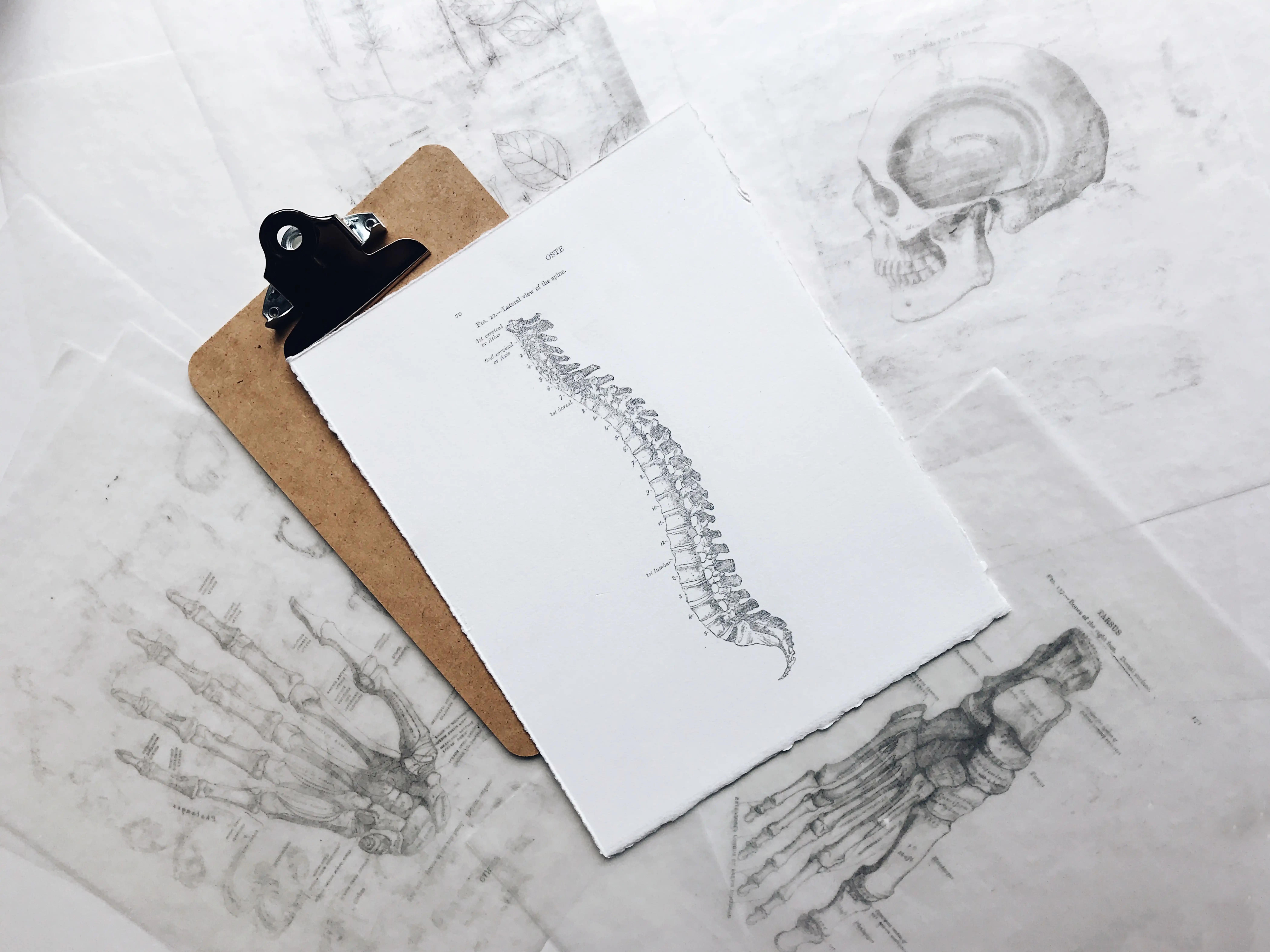
Evaluation of spine MRIs in athletes participating in the Rio de Janeiro 2016 Summer Olympic Games For top athletes who participate in world level, such as the Olympic Games, many spine diseases arise due to overuse, other spinal problems are the result of acute injury. A research group has tries to analyze the epidemiology of spinal disorders in athletes participating in the 2016 Olympics in Rio de Janeiro based on MRI.In a retrospective study, all spine MRIs were analyzed, which were carried out during the 2016 Olympics in Rio. Of 11,274 athletes participated in the Olympic Games, 100 athletes received a MRI of the spinal columns. Twenty-five of the 100 (52%) athletes, which received a MRI of the cervical spine, the thoracic acid column and / or the lumbar spine, showed a moderate to heavy spinal disease. The highest sport-specific incidence of medium-heavy to heavy spinal disease was observed in diving trips (67%, 3 per 100 divers). Weightlifting had the second highest sports-specific incidence of spinal disorders (67%, 1.5 per 100 weightlifters). In the athletics, most spine MRIS (31 out of 107 mris, 29%) were carried out.European athletes had more spine MRI as athletes of all other continents (55 out of 107 MRI, 51%). Athletes over 30 years had the highest rate of moderate to heavy spinal disorders in MRI (24 out of 37 athletes> 30 years old, 65%).
The bottom line showed that a large number of top athletes on Olympics during the 2016 Olympic Summer Games had a moderate to heavy spinal disease in MRI, including moderate to severe degenerative disc changes with intervertebral disk precursors and discs. The whole study can be found under https://bmjopensem.bmj.com/content/4/1/e000335