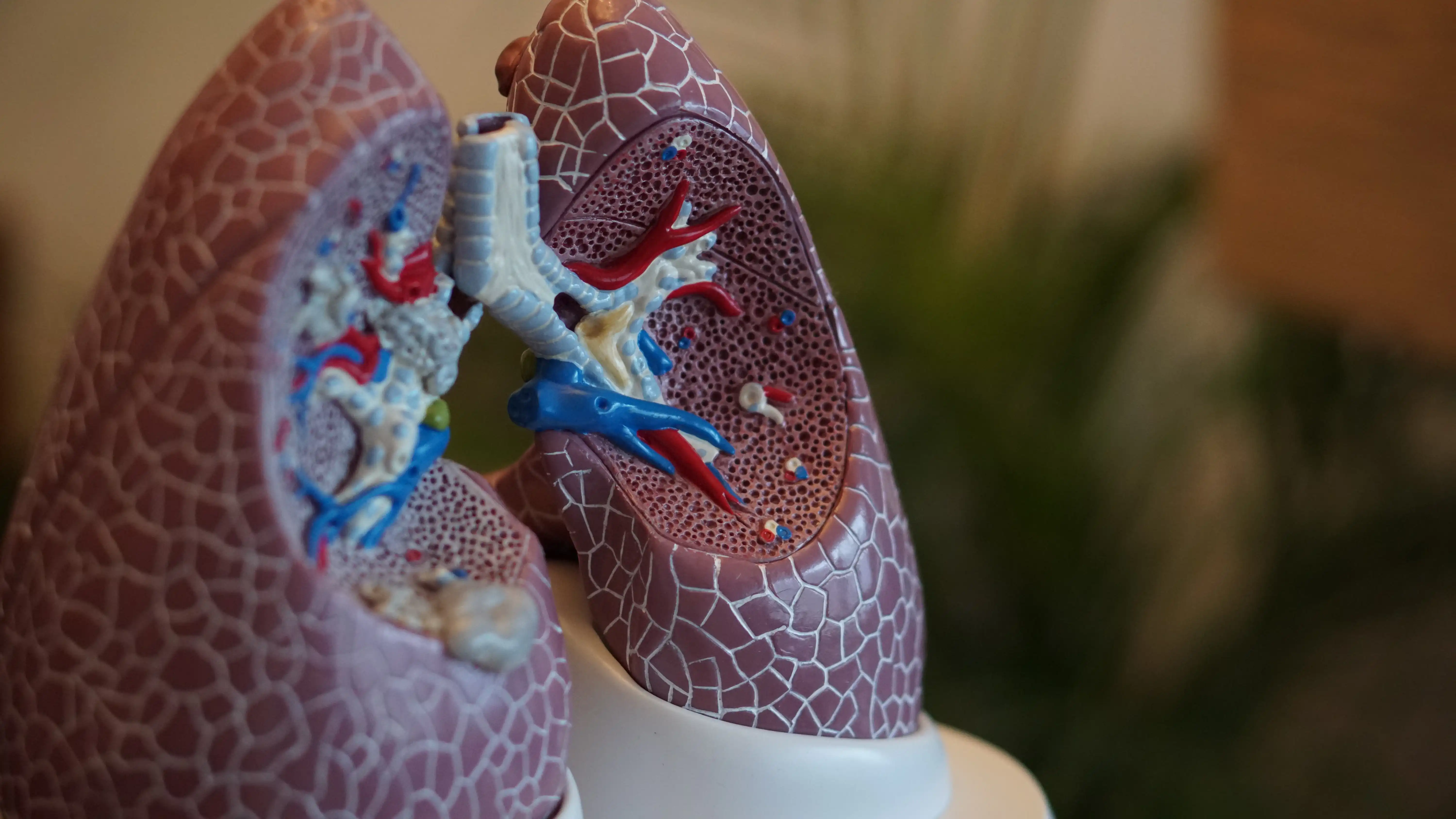
Swimming induced pulmonary oedema in athletes - a systematic review and best evidence synthesis A lung edema (SIPE) caused by swimming is an unusual event that is usually showing itself when swimming in cold water. Prevalence is most likely undergraduate and the underlying mechanisms are controversial. The aim of this work was to summarize the evidence regarding prevalence, pathophysiology and treatment of the pulmonary pulmonary edema in endurance athletes. Searched Medline, Embase, Scopus and Google Scholar.The Level I-IV was included from 1970 to 2017.For clinical trials, only publications were considered, which report on swimming-induced pulmonary edema. The distortion potential was evaluated with the Robin I tool and the quality of the evidence with the Cochrane Grade system.For data synthesis and analysis, a best evidence synthesis was used. A total of 29 studies were recorded with 174 athletes.The most common symptoms was coughing, shortness of breath, foam and hemoptyseis. The risk of distortion for clinical trials included 13 with moderate risk, 3 with severe and 4 critical risk. Four of the pathophysiological studies had a moderate risk, 3 a serious risk and 1 a critical bias risk. Best evidence analysis showed a strong correlation between immersion in cold water and the increase in the CVP (central venous pressure), the MPAP (mean pulmonary arterial pressure), the PVR (peripheral vascular resistance) and the PAWP (pulmonary arterial wedge pressure), resulting in oneInterstitial asymptomatic edema led. The results of this study suggest a moderate relationship between the water temperature and the spread of SIPE. The presence of clinical symptoms coughing, dyspnoe, foam and hemoptyseis is strongly indicating a sipe during or immediately after swimming. There are limited indications that risk factors are pre-existing, which lead to SIPE when exposed during swimming strenuous physical activity.
There is unambiguous evidence that sudden deaths of triathletes are often associated with heart anomalies. The work can be found under https://pubmed.ncbi.nlm.nih.gov/30410770/