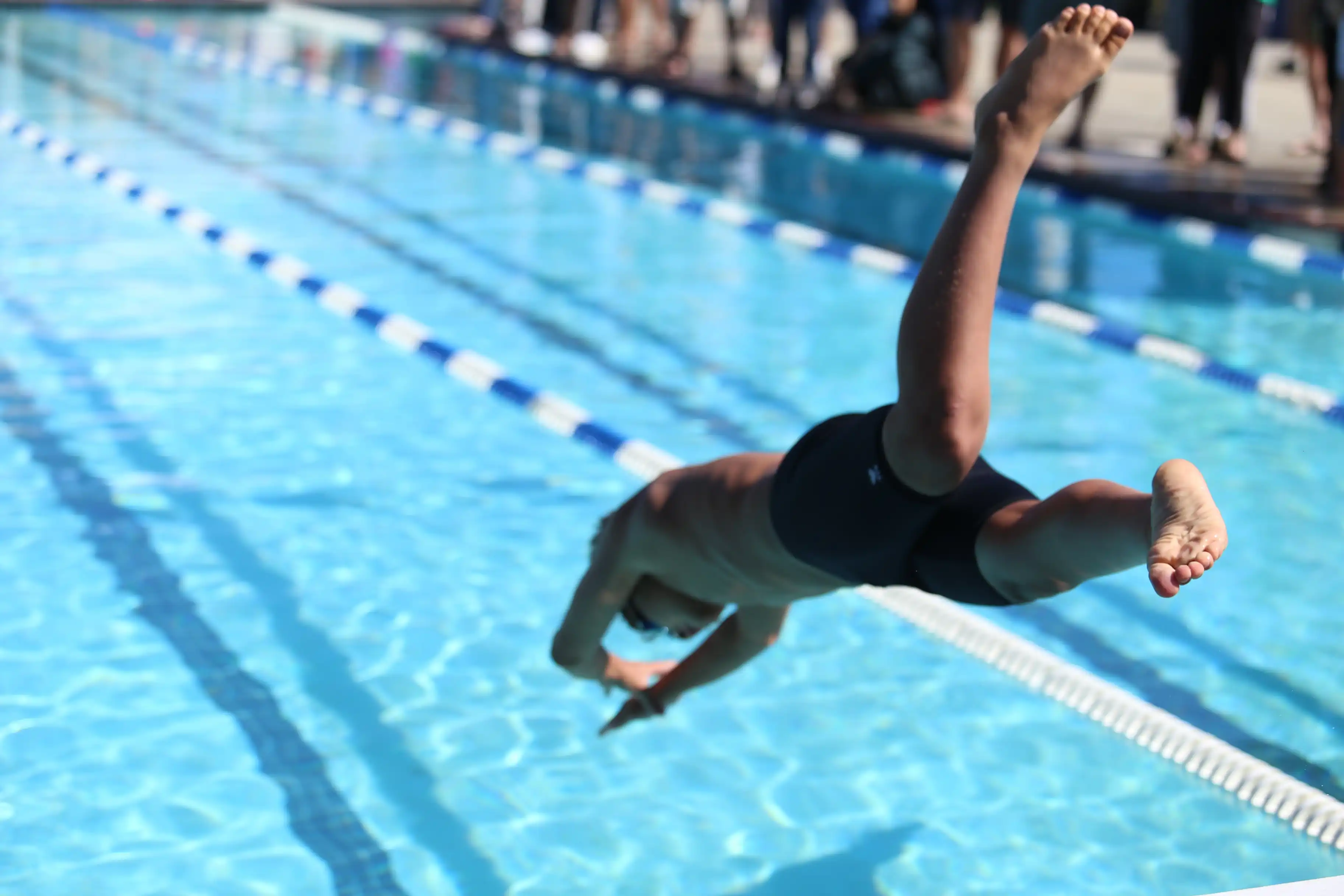
Swimming-induced pulmonary edema: current perspectives With the growing popularity of water sports cases of swimming-induced pulmonary EDEMA (SIPE) are increasingly recognized. Sipe, a potentially life-threatening disease, is an acute cause of respiratory distress at athletes. It has often been described in divers, swimmers and triathlets and is marked after immersion in water through symptoms and signs of pulmonary edema. It is important to know that the symptoms of athletes can have a wide range of light respiratory distress to heavy dyspnea, hemoptysis and hypoxia. In most cases, the symptoms quickly dissolve within 48 hours after leaving the water. Recent progress in understanding the pathophysiology of SIPE, especially with regard to increased pulmonary vascular pressures, have begun to clarify this hard-barred state clearer and to distinguish its predisposing factors. It is important that organizers and athletes know Sipe.Immediate recognition is not only necessary to prevent drowning, but also to carry out adequate medical treatment and subsequent advice regarding the return to swimming and relapse risk.
The present work offers a current perspective on SIPE with regard to the incidence rate, the current understanding of pathophysiology, clinical presentation, medical treatment, recurrence rates and advice on the return to sport. The whole work can be found under https://www.dovepress.com/articles.php?article_id=39556