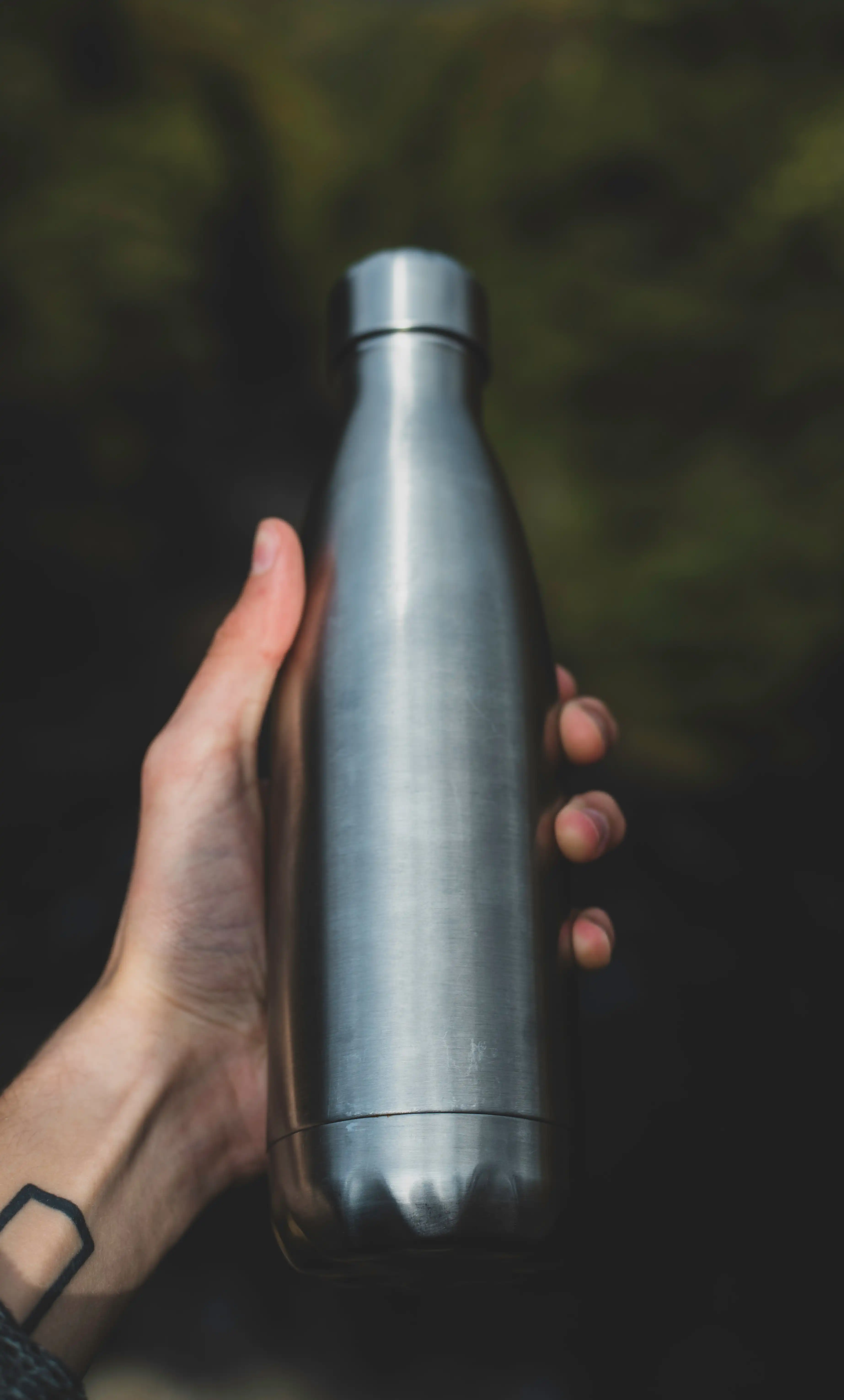
The Optimal Weight Carriage System for Runners: Comparison Between Handheld Water Bottles, Waist Belts, and Backpacks In endurance sports, where liquid and nutrition is not always available, transportation of water and food under stress is essential. In order to compare the running economy and the physiological requirements of different systems, 12 recreational runners completed after a first test four running tests with a duration of 60 minutes each for individual running speeds (mean running speed 9.5 ± 1.1 km / h) on a treadmill. In a hand-held water bottle, a hip belt or a backpack, either no weight (control) or weight of 1.0 kg was transported. The running economy was evaluated on the basis of energy consumption, oxygen consumption, heart rate, and perceived load.Energy consumption, oxygen consumption, heart rate and perceived stress increased over time, but no significant differences between the systems were detected. Wearing a hand-held water bottle, a hip belt or a backpack with a weight of 1.0 kg during a 60-minute run showed similar physiological changes.
The choice of the runner can orientate itself to personal preferences if there are no differences in tread economic (energy consumption, oxygen consumption, heart rate and perceived load rate). The whole study can be found under https://www.frontiersin.org/articles/10.3389/fhys.2020.571221/full