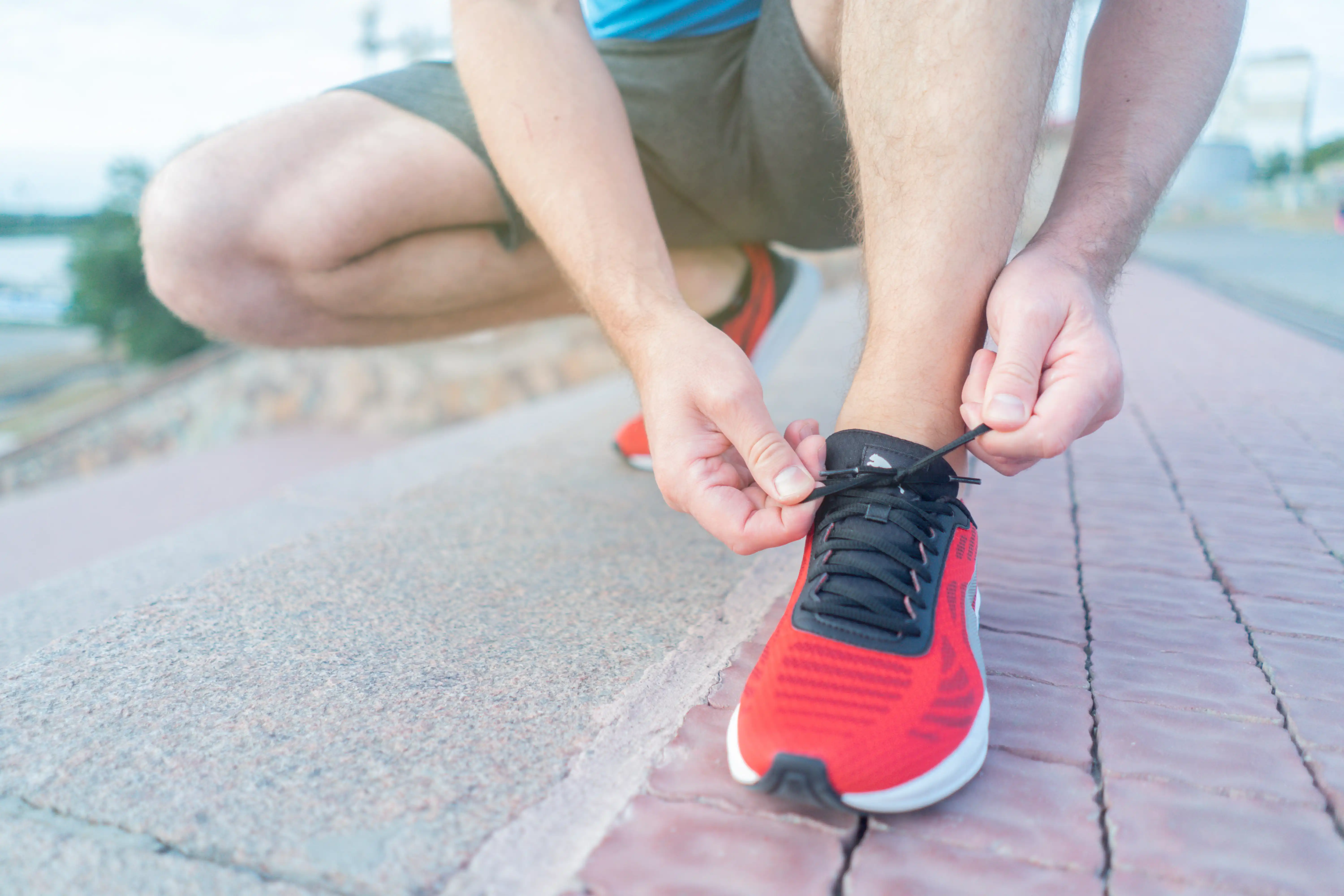
Influence of Shoe Mass on Performance and Running Economy in Trained Runners The aim of this study was to analyze the effects of the addition of shoe mass to the running economy, the gang characteristics, the neuromuscular variables and performance in a group of trained runners. Eleven trained runners (6 men and 5 women) completed four units that were at least 7 days apart. The first unit consisted of a maximum test in which the second fan threshold and the speed associated with the Vo2max were calculated.In the next sessions, the tread economy at 75, 85 and 95% of the second fan threshold and the time to exhaustion was examined in the speed associated with the Vo2max under three different conditions (control, +50 g and +100 g). Biomechanical and neuromuscular variables, lactate and energy consumption were measured to exhaustion during the period.The running economy deteriorated with the increase in shoe mass (compared to 100 g) at 85% and 95% of the second fantastic threshold.The heart rate significantly increased with the addition of mass (50 g) at 75% of the second fantastic threshold and 75%, 85% and 95% of the second fantastic threshold at addition of 100 g.The time to exhaustion was significantly longer in the control state compared to 100 g (\ ~ 42 s), but not between control and 50 g (\ ~ 24 s).
Overall, the results suggest that the addition of 100 g per shoe affects the running economy and performance during trained runners without changing the gang characteristics or neuromuscular variables.These results continue to support the use of lightweight footwear for optimizing mileage. The whole work can be found under https://www.frontiersin.org/articles/10.3389/fhys.2020.573660/full